Framing the View: Restoring the Home's Original Character
"Sometimes honoring the future means first restoring what the past has lost."
The Story
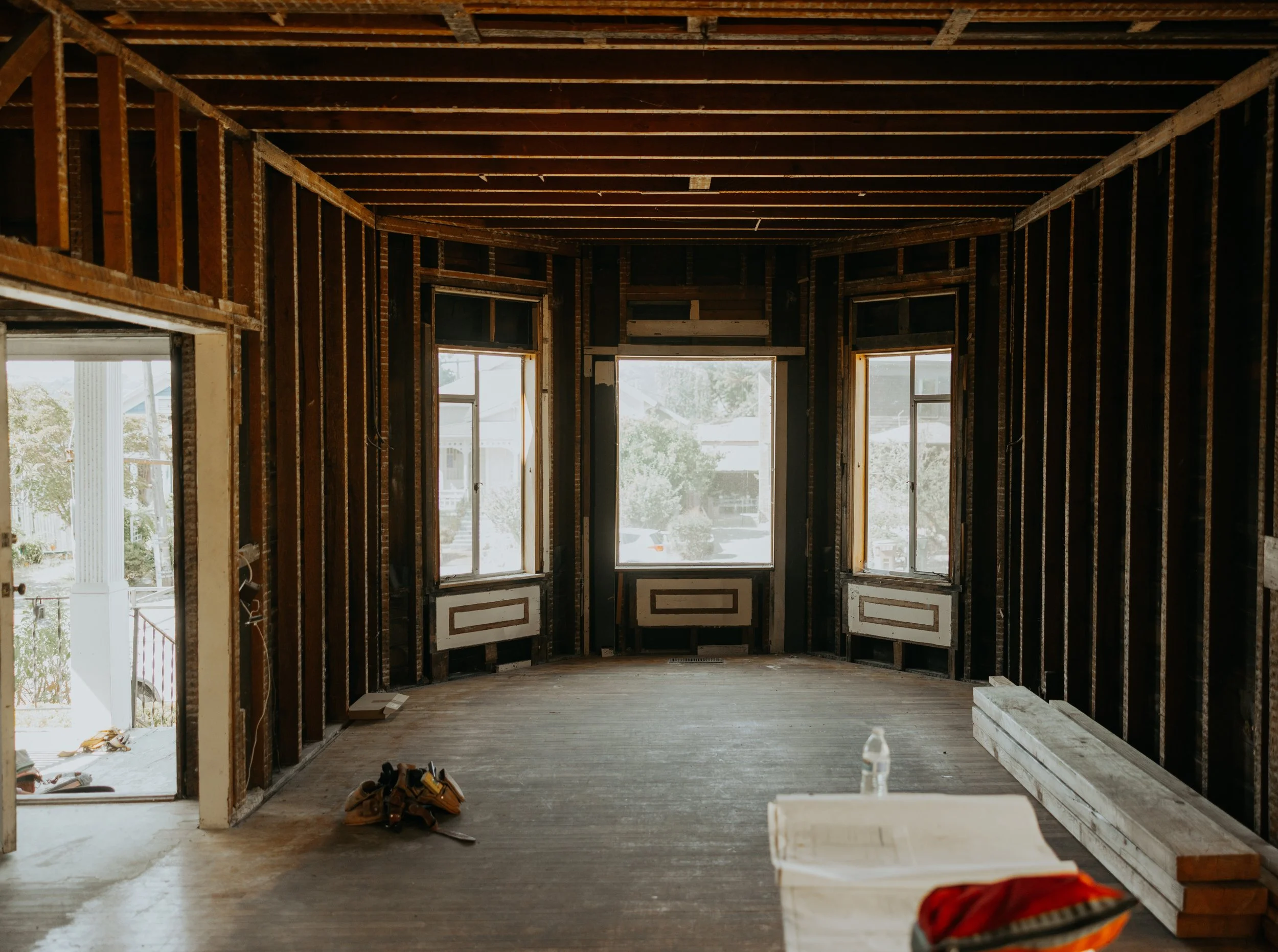
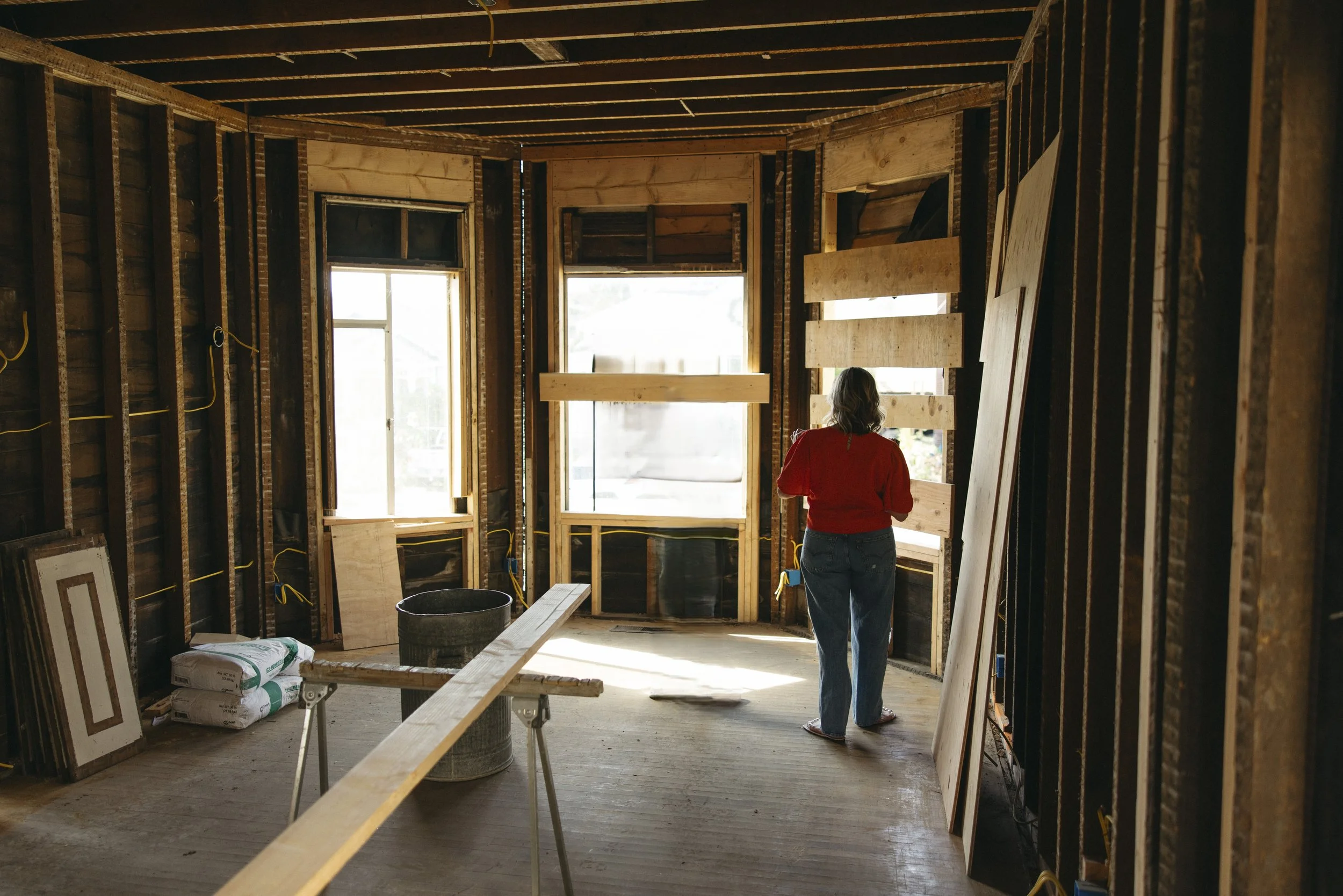
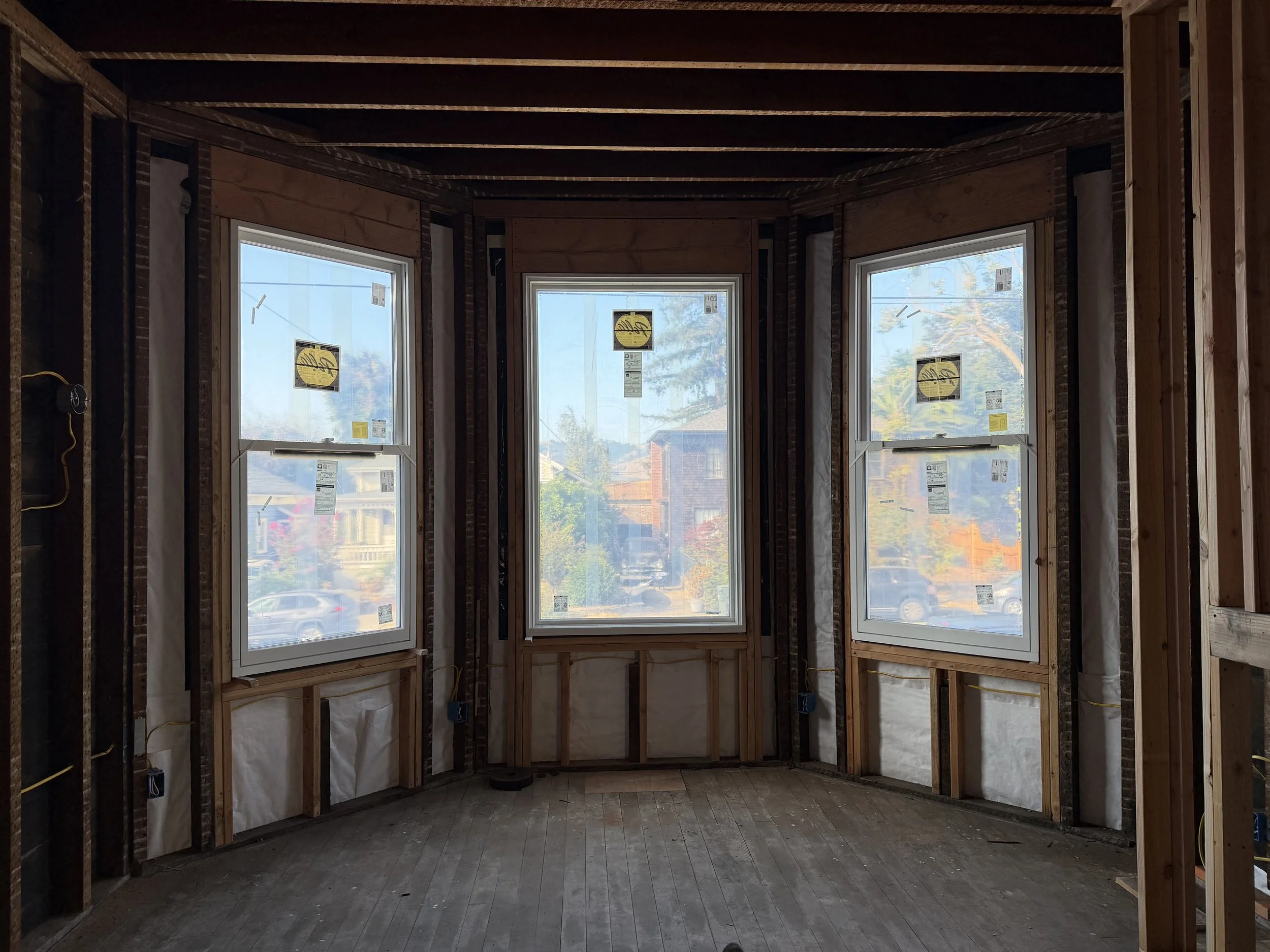
There are moments in a renovation when the biggest transformation doesn't come from adding something new. It comes from bringing something back. For this Folk Victorian, that moment arrived with the windows.
Like many historic homes, ours had been altered over the years. Some original windows had disappeared entirely, others had survived but needed significant restoration, and in one part of the house, a change in how the space would be used gave us an opportunity to introduce something new. As I watched the windows return, I began to understand just how much they contribute to the character of an old home. They aren't simply openings for light and views. Their size, placement, and proportions help establish the rhythm of the architecture itself.
This phase brought to light what should be returned, preserved, and reimagined.
The Challenge
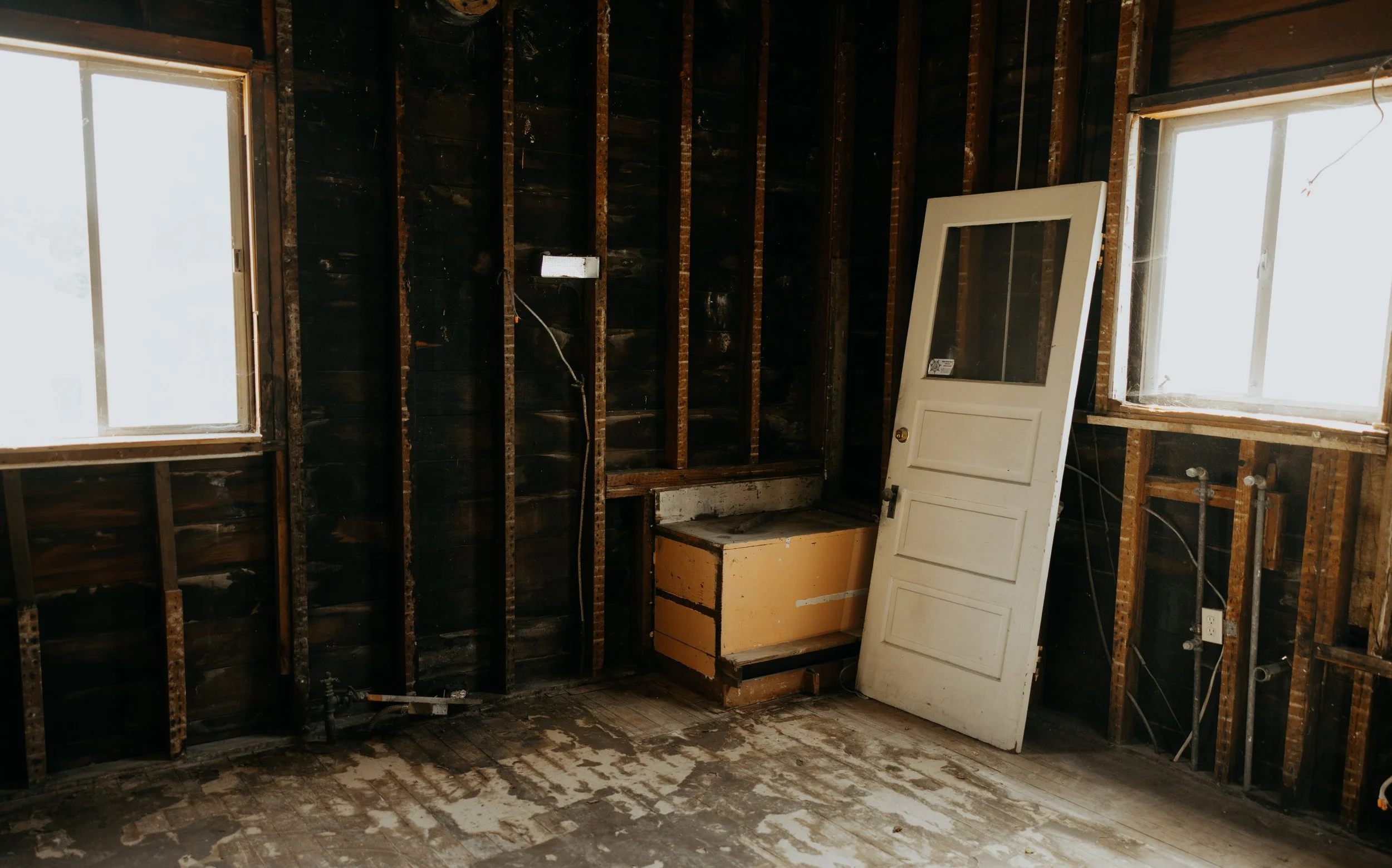
At some point in the home's history, the original living and dining room windows had been removed and replaced with much smaller, single-pane aluminum windows. The smaller openings changed the proportions of the front façade and limited the natural light entering two of the home's primary gathering spaces.
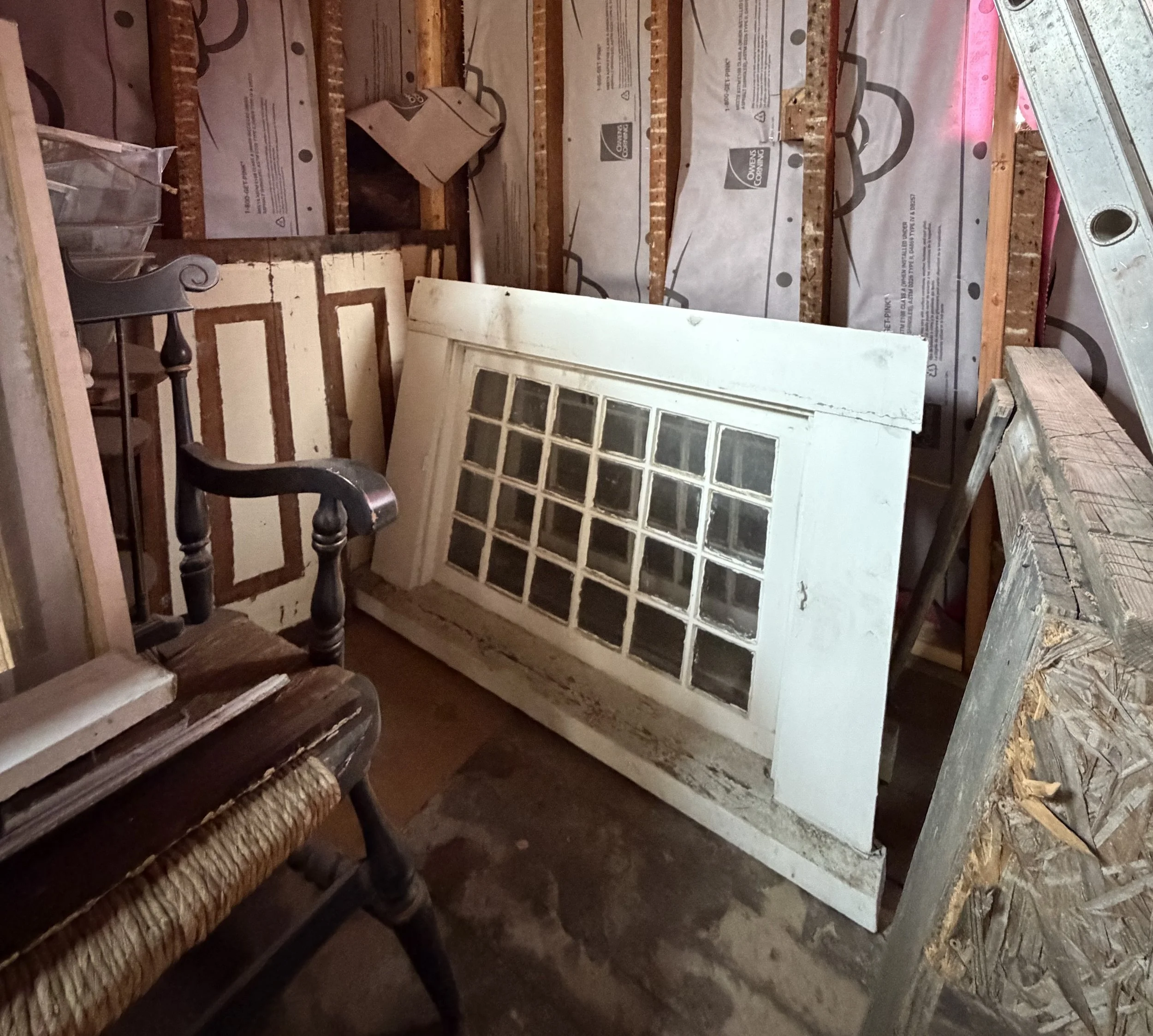
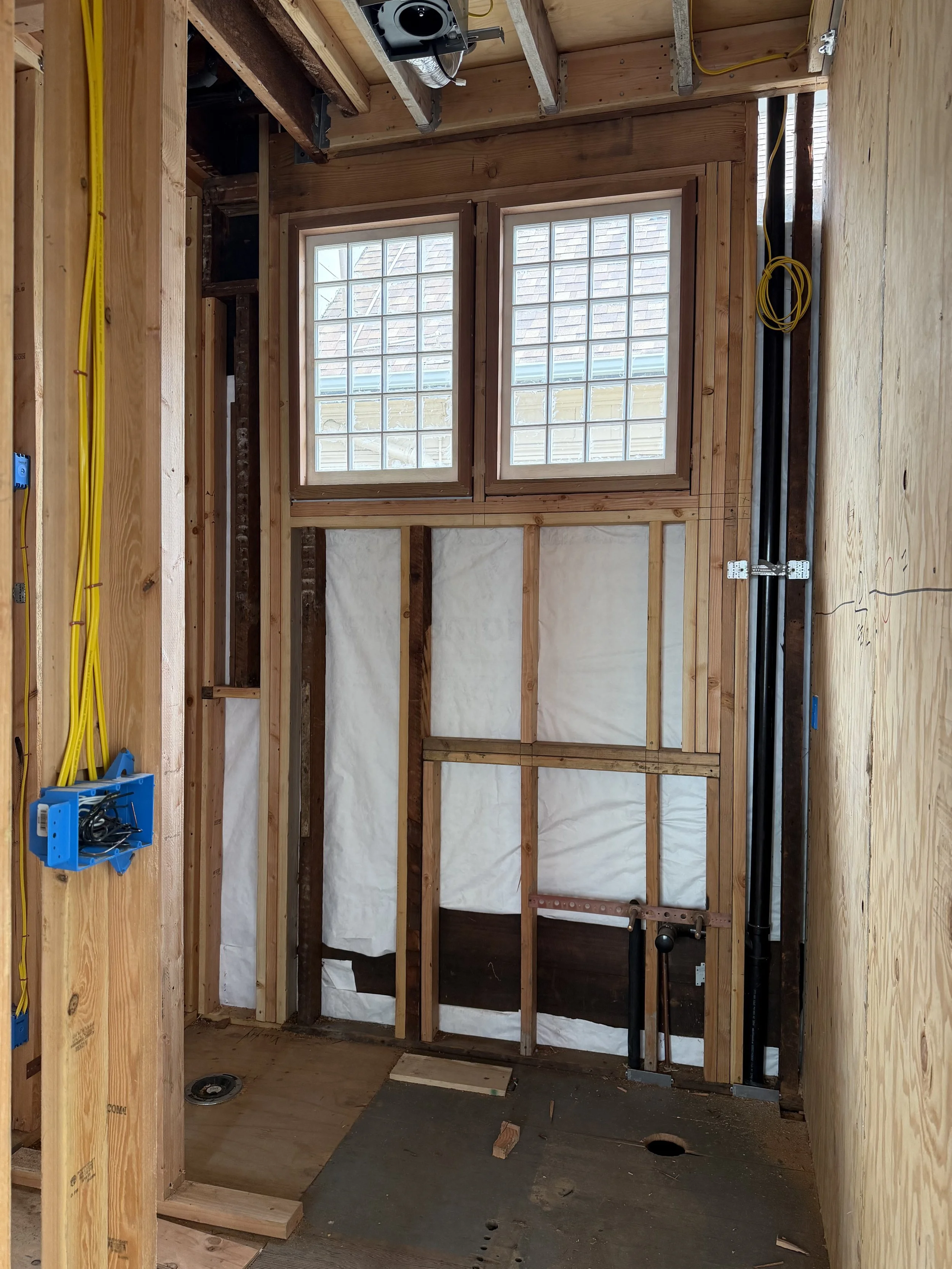
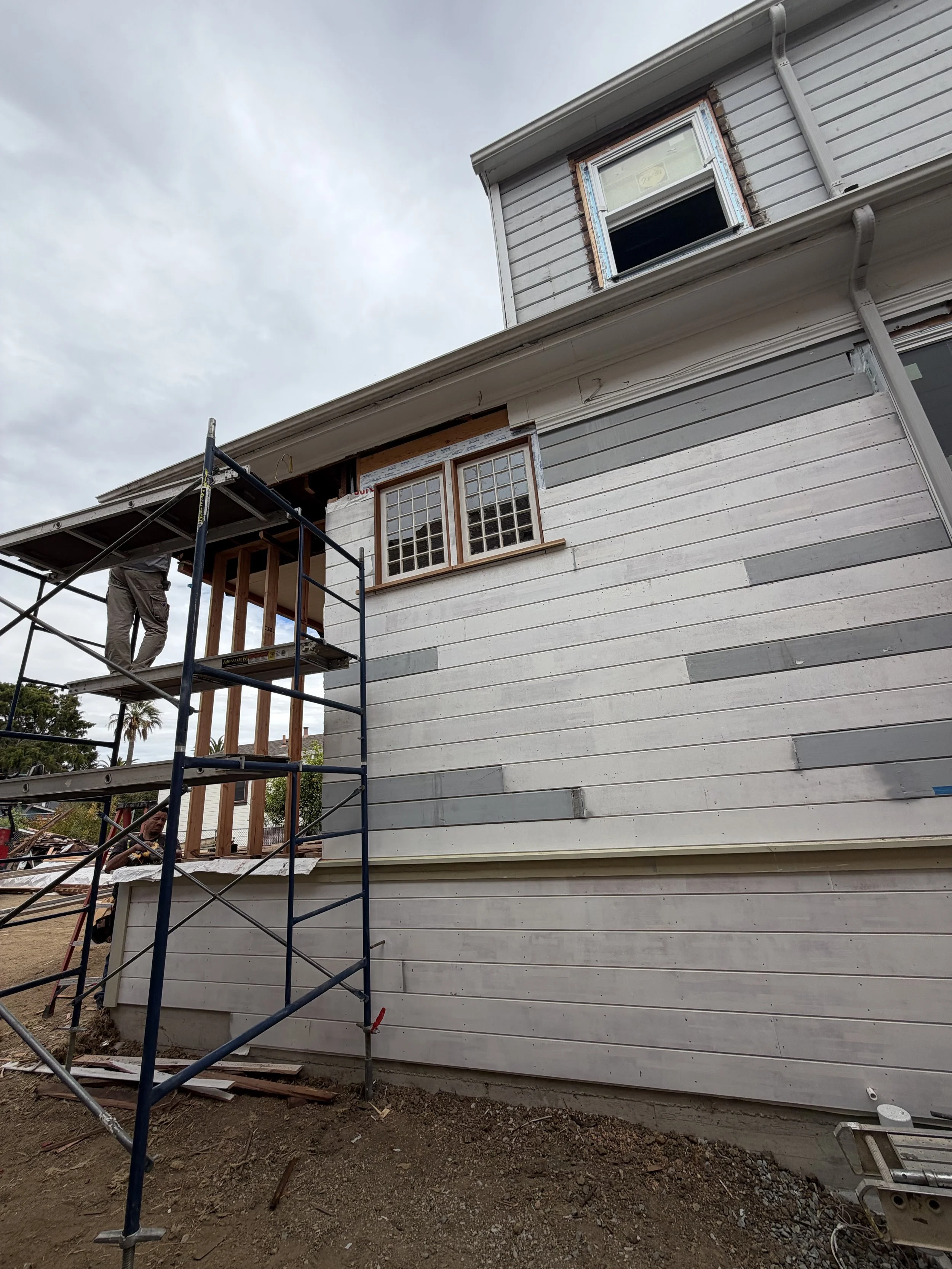
Elsewhere, two original wood windows had survived in the stairwell, but more than a century of use had taken its toll. Broken panes, deteriorated glazing, and aging wood had left them fragile and beginning to come apart. Because the home is in Benicia's Historic District, it was important that those two windows were preserved. They couldn't simply be discarded and replaced. They needed to be carefully removed, restored, and returned to the house.
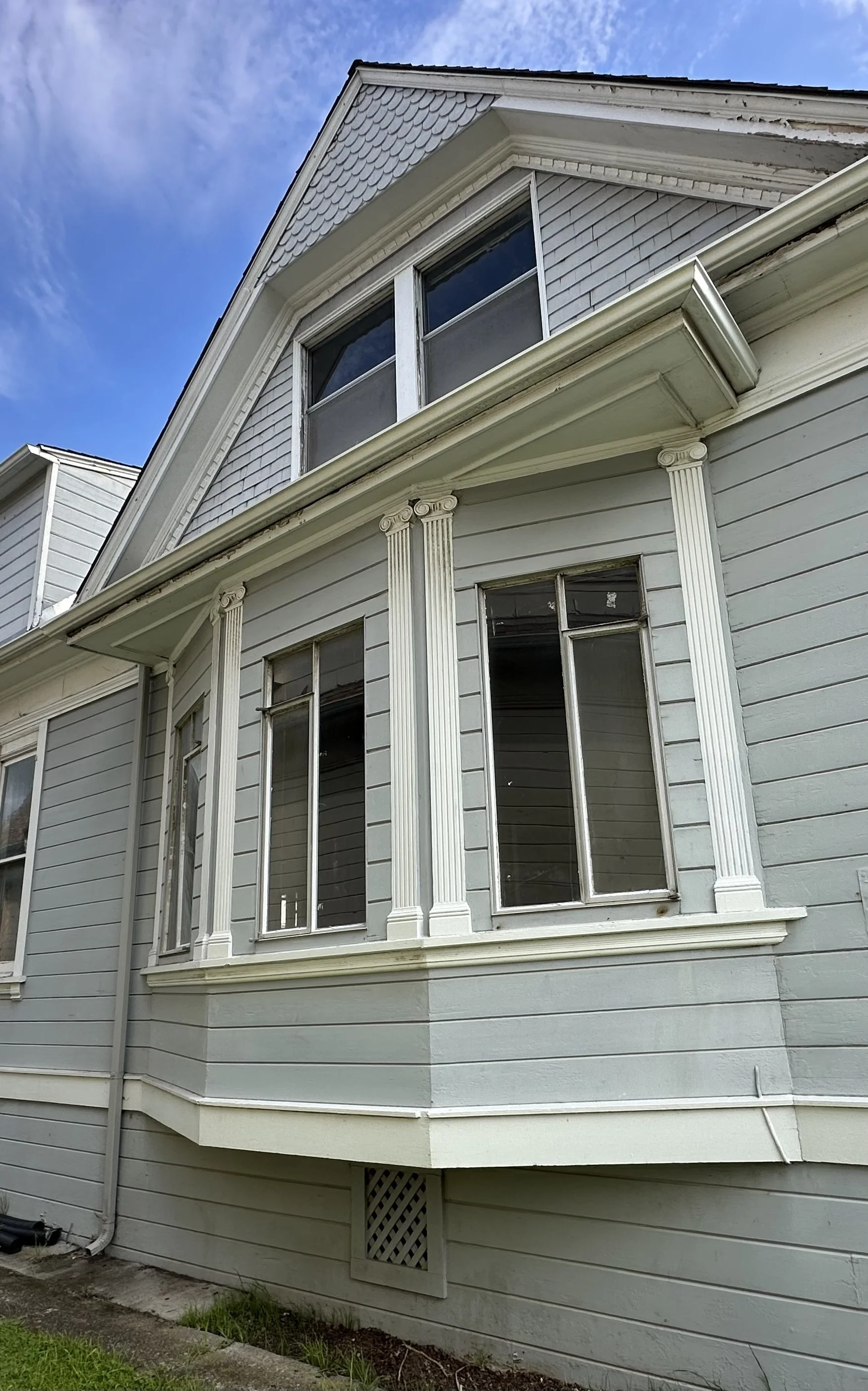
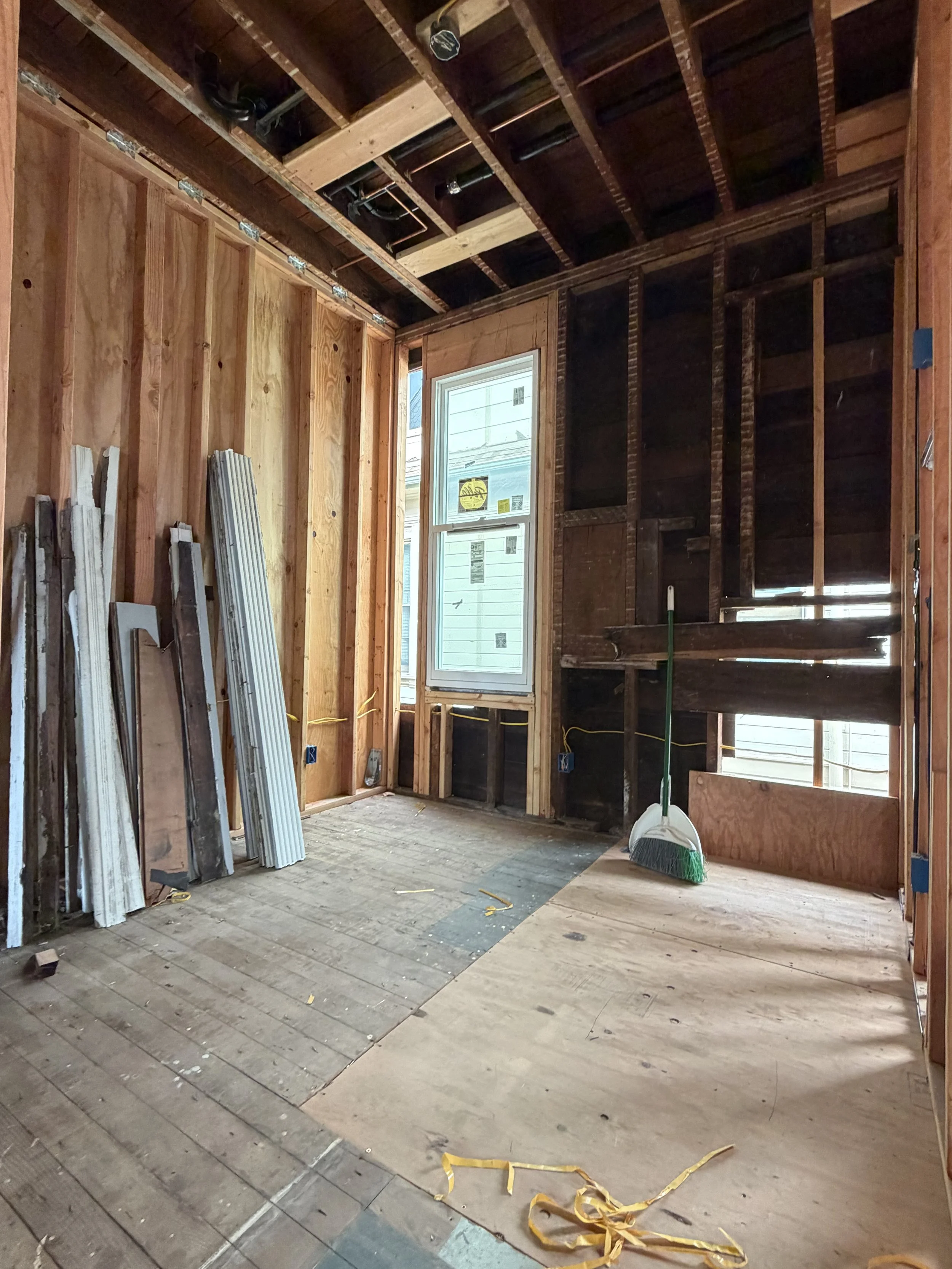
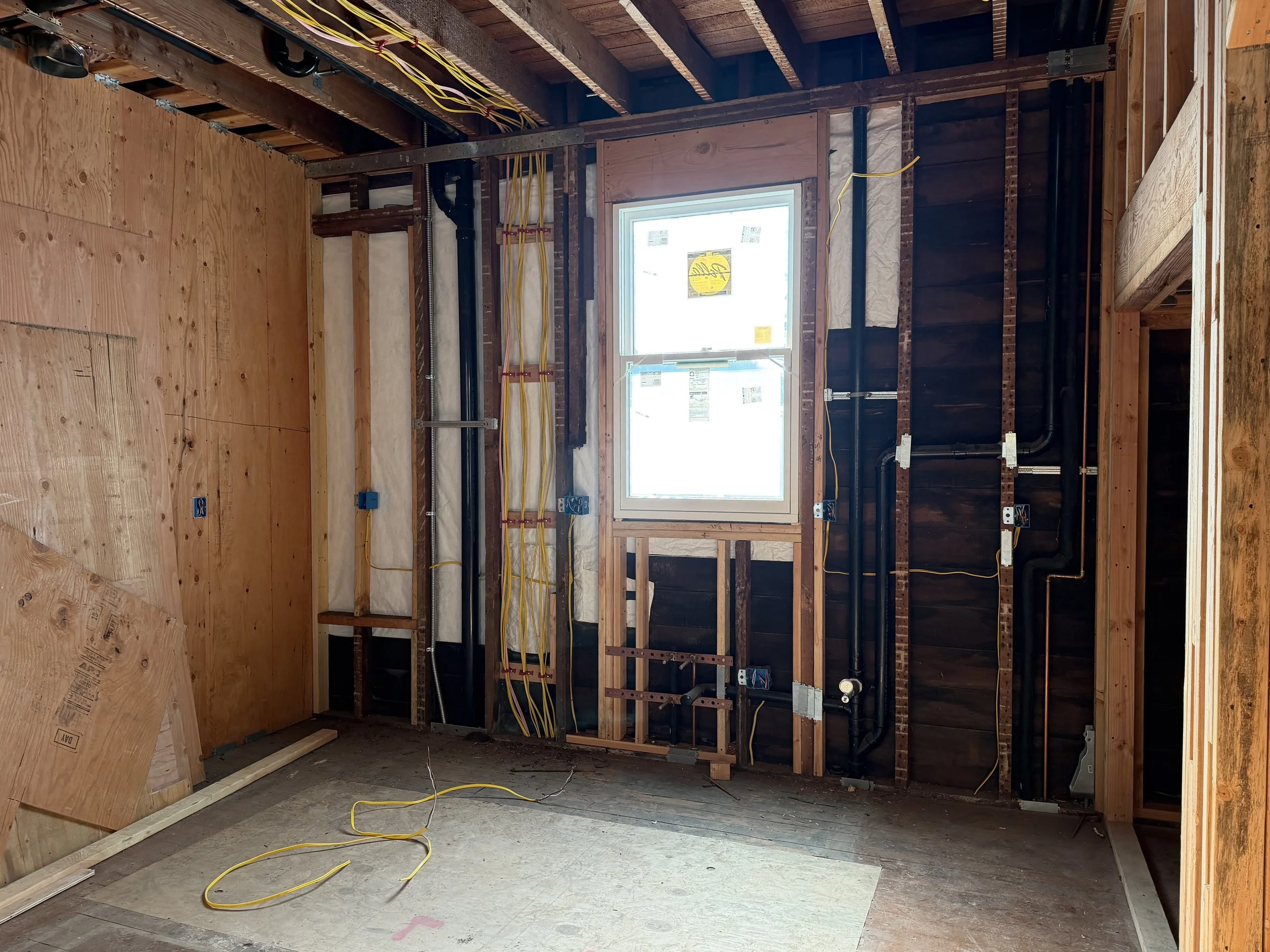
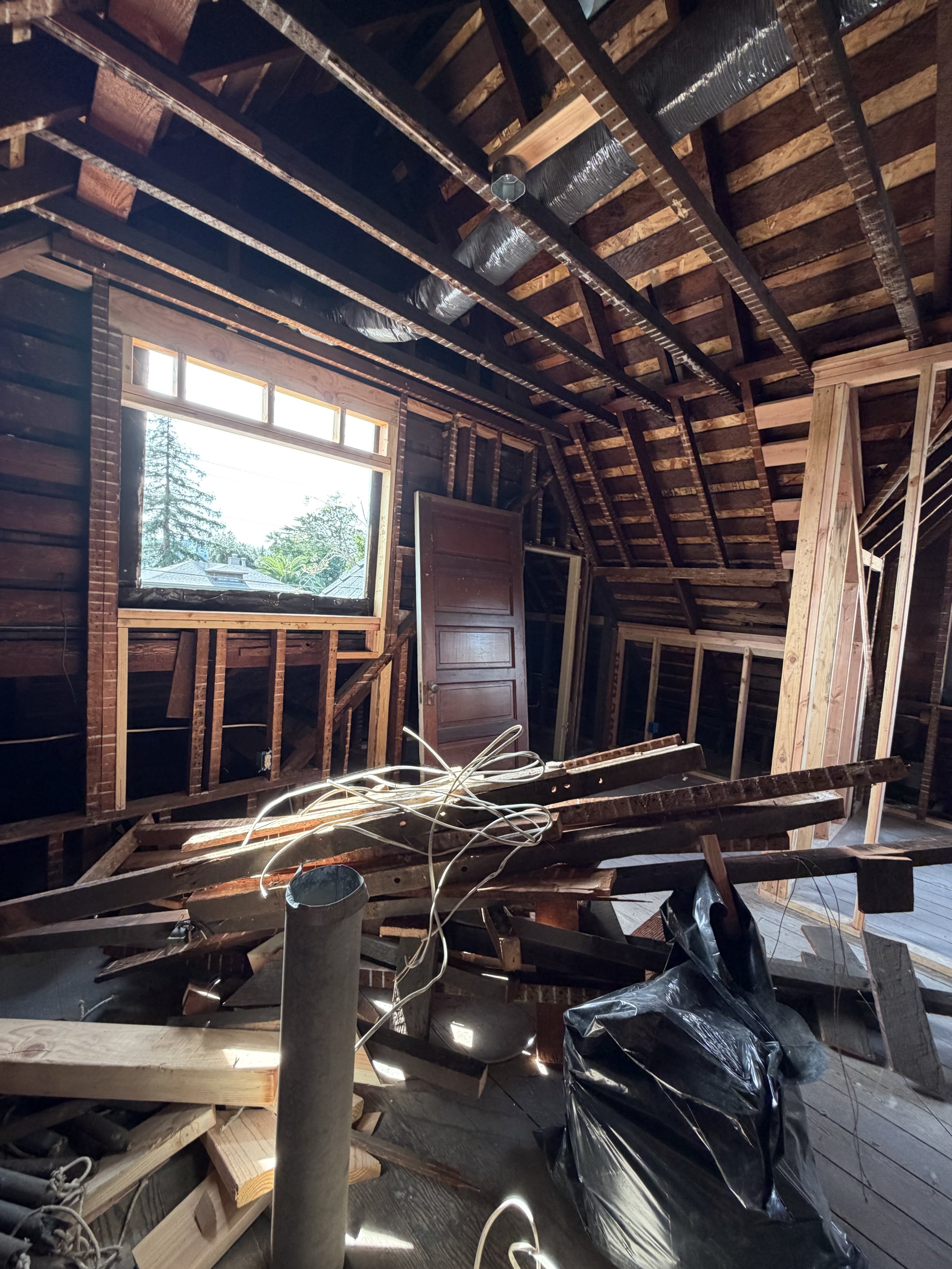
Then there was the former kitchen in the back corner of the first floor. Its small aluminum windows had suited a small, utilitarian kitchen. But that space was becoming something entirely different: a first-floor bedroom and ensuite. Keeping the undersized windows would have carried forward an alteration that no longer served either the architecture or the new use of the rooms.
Three areas. Three different circumstances. And three opportunities to think carefully about what preservation actually means.
The Design Decision
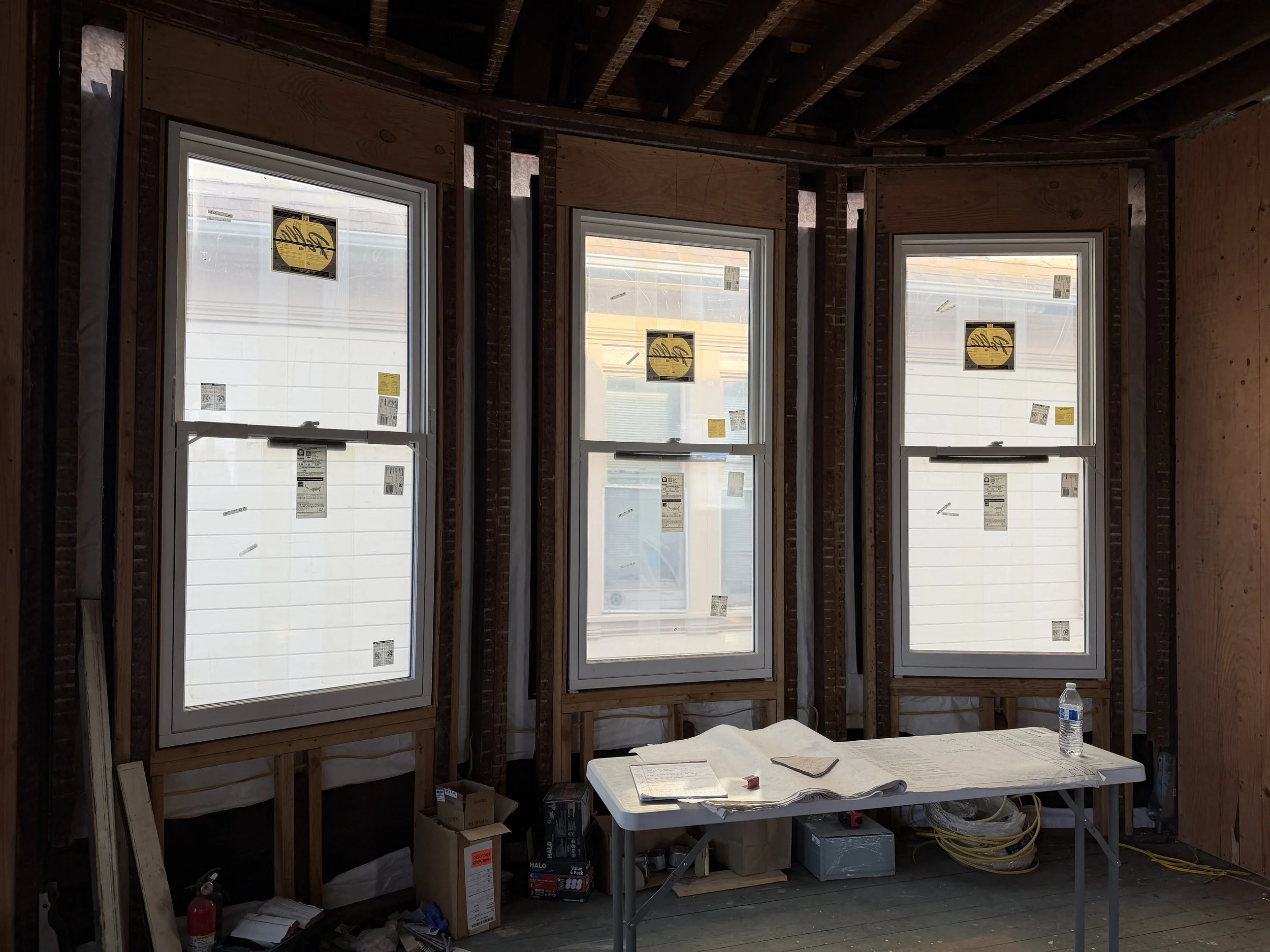
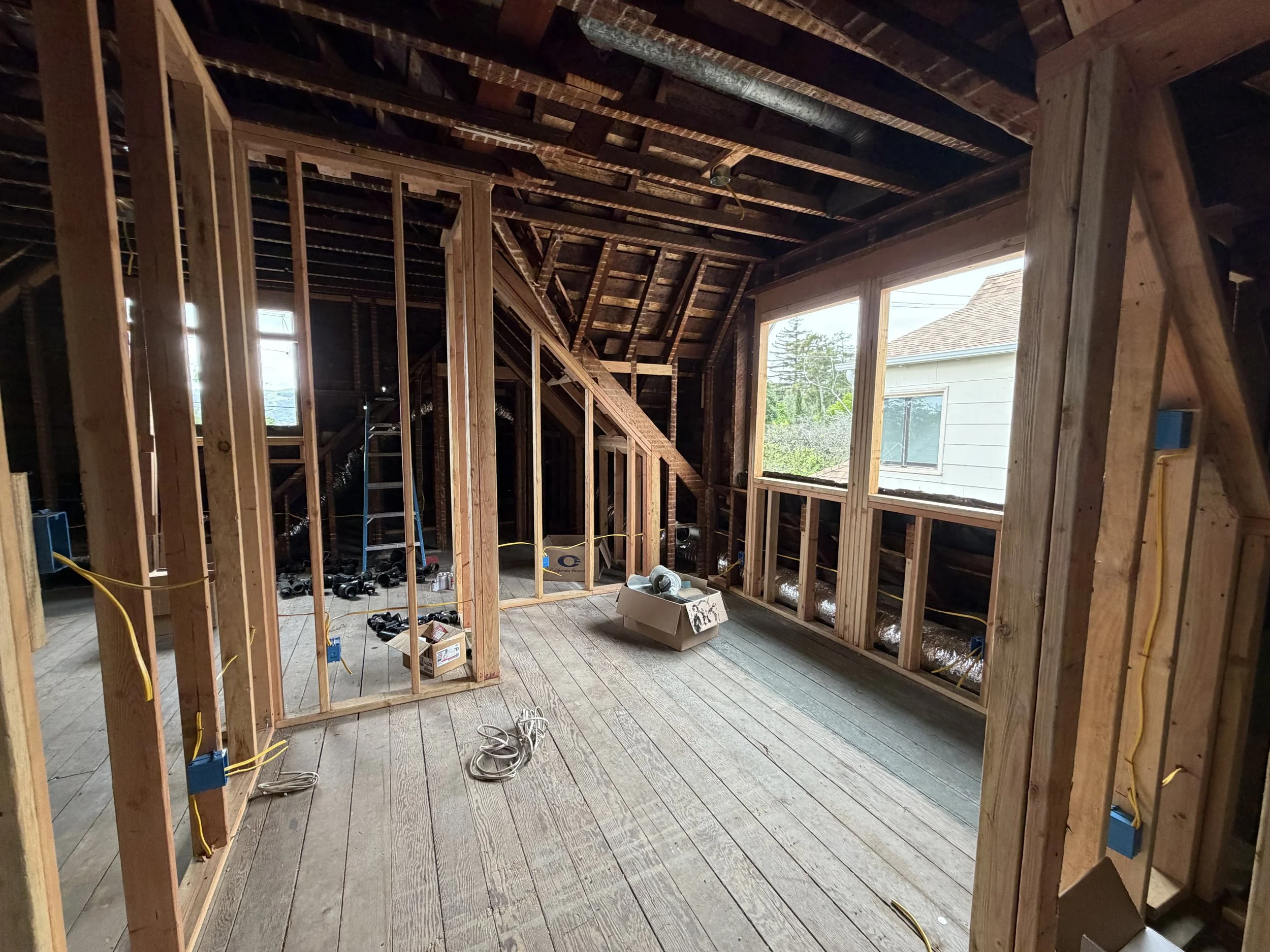
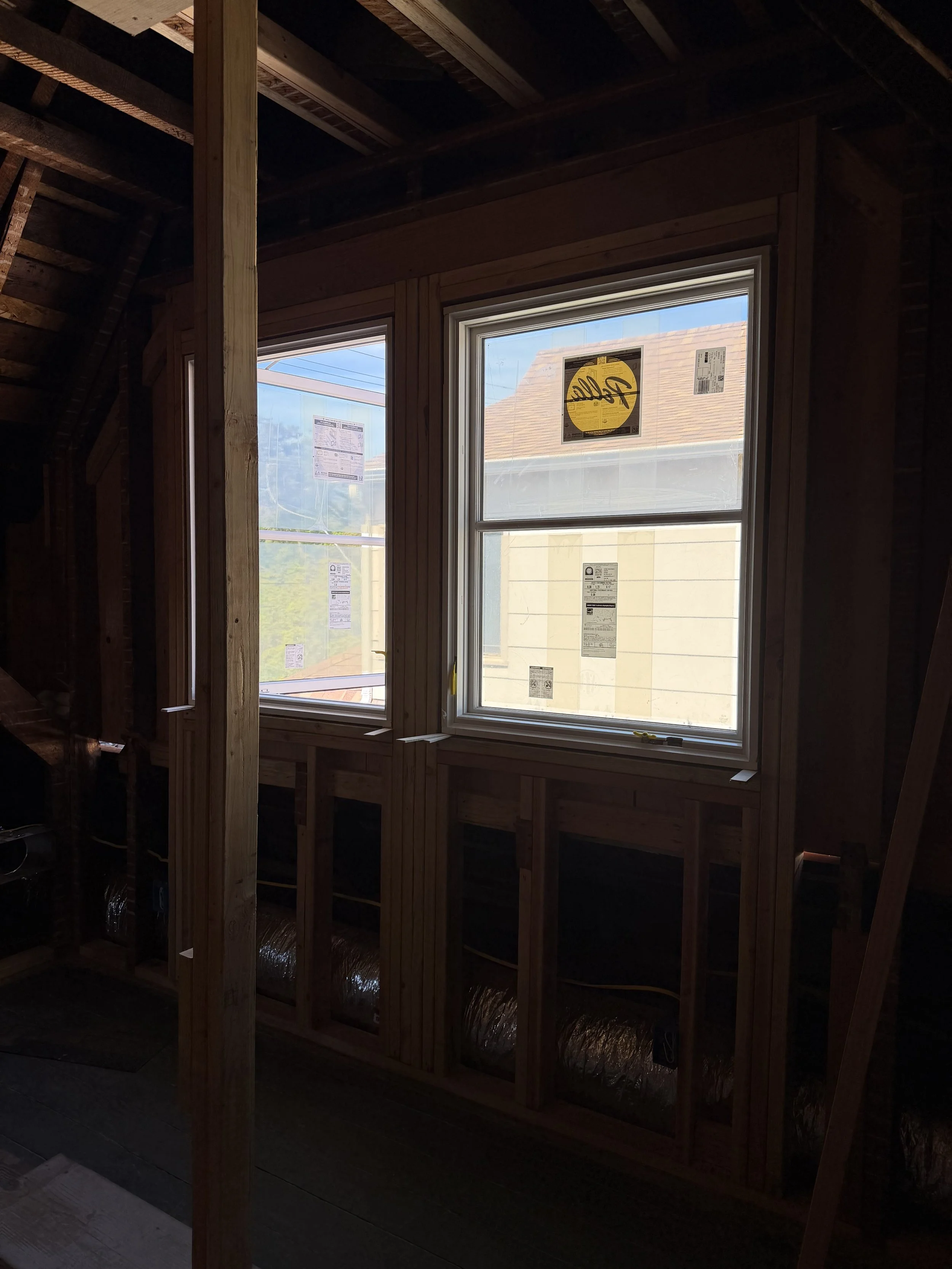
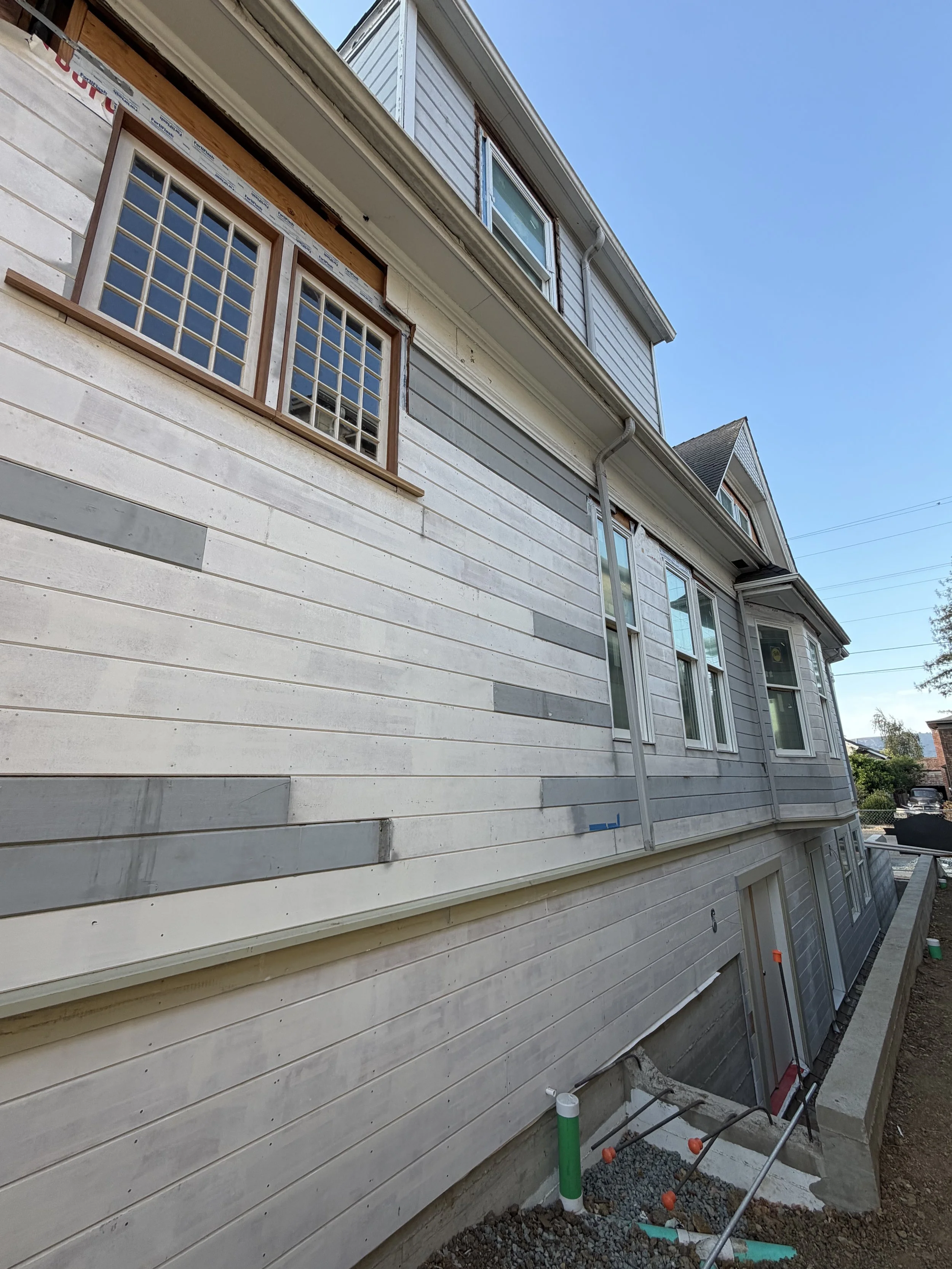
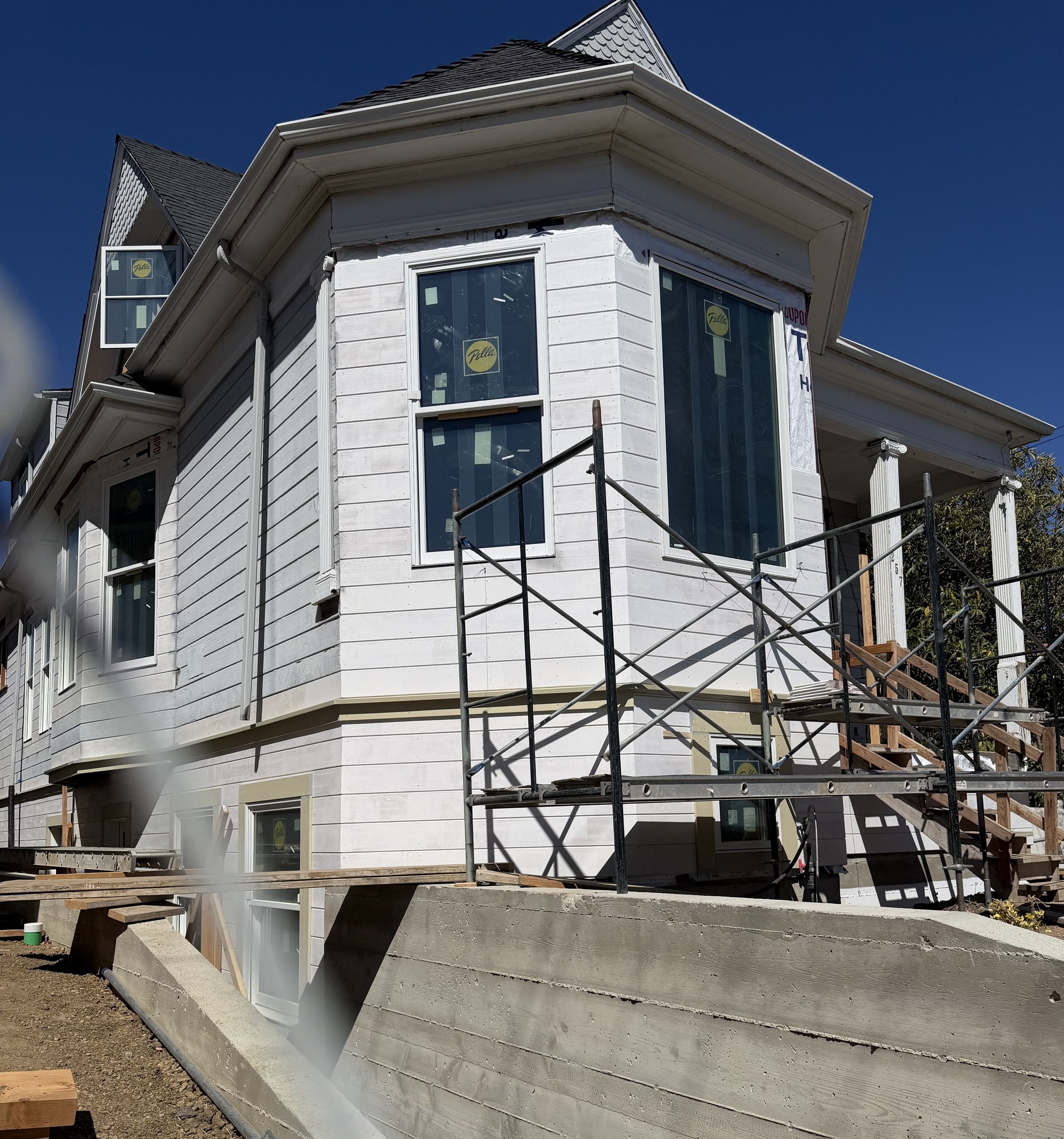
In the living and dining areas, the answer was to return what had been lost. The smaller aluminum windows were removed and the openings returned to their original, much larger proportions. The change restored balance to the exterior while allowing natural light to once again reach deeply into the first floor.
In the stairwell, the goal was to preserve what had survived. The two original wood windows were carefully removed and sent for restoration. Damaged glass and deteriorated components could be repaired while preserving the historic windows themselves. Eventually, they'll return to the same home they have been part of for generations.
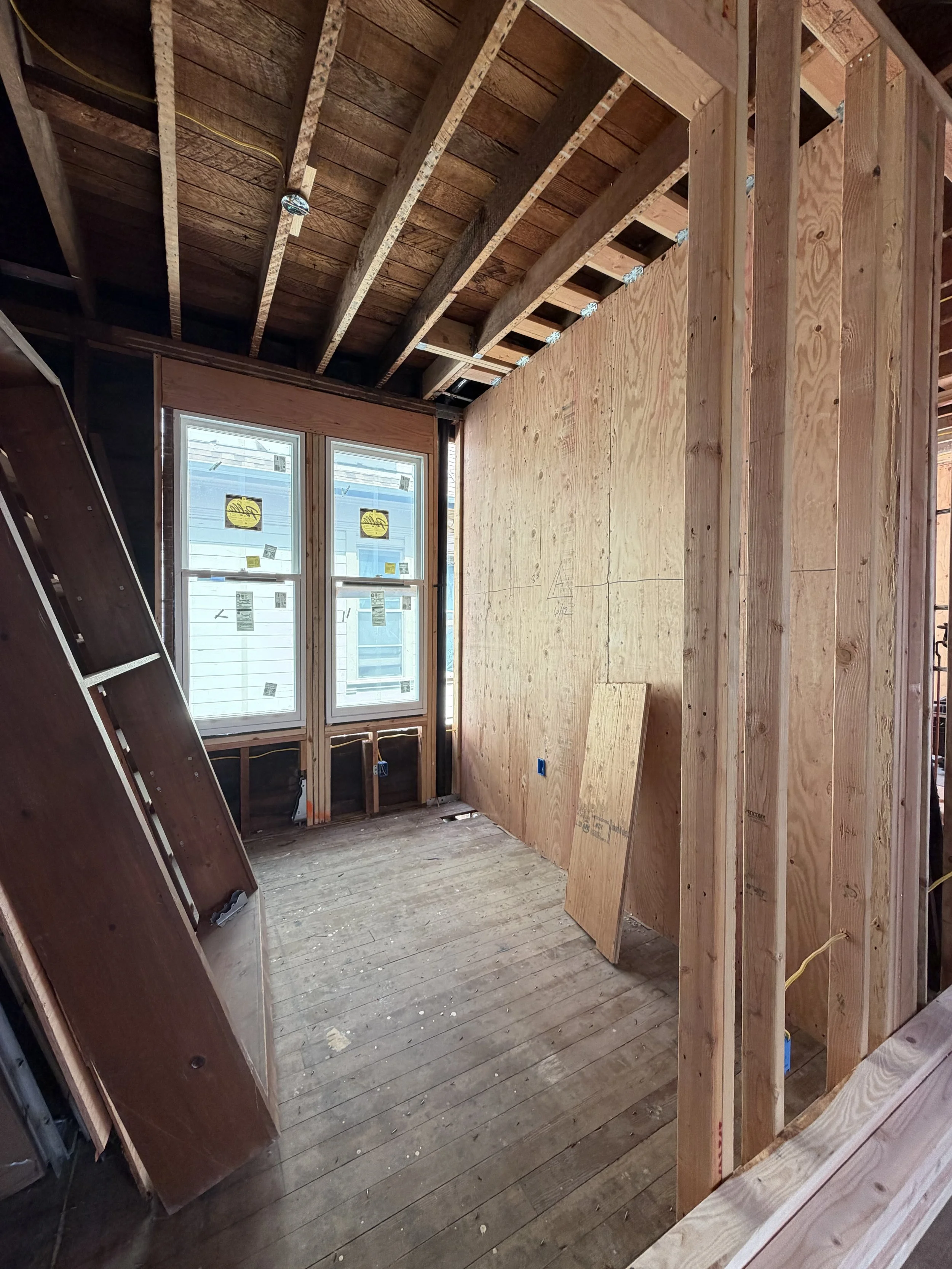
The former kitchen presented an opportunity to reimagine thoughtfully. Rather than repeat the small aluminum windows that had been installed there years ago, we introduced full-length windows that match the scale and character of those found elsewhere in the house. The larger windows bring light and warmth into the new first-floor bedroom and ensuite while making those spaces feel more connected to the rest of the home.
Sometimes the right choice is restoration. Sometimes it's preservation. And sometimes a thoughtful new element can actually bring a home closer to its original character than what you're replacing.
The Splurge Smart Decision
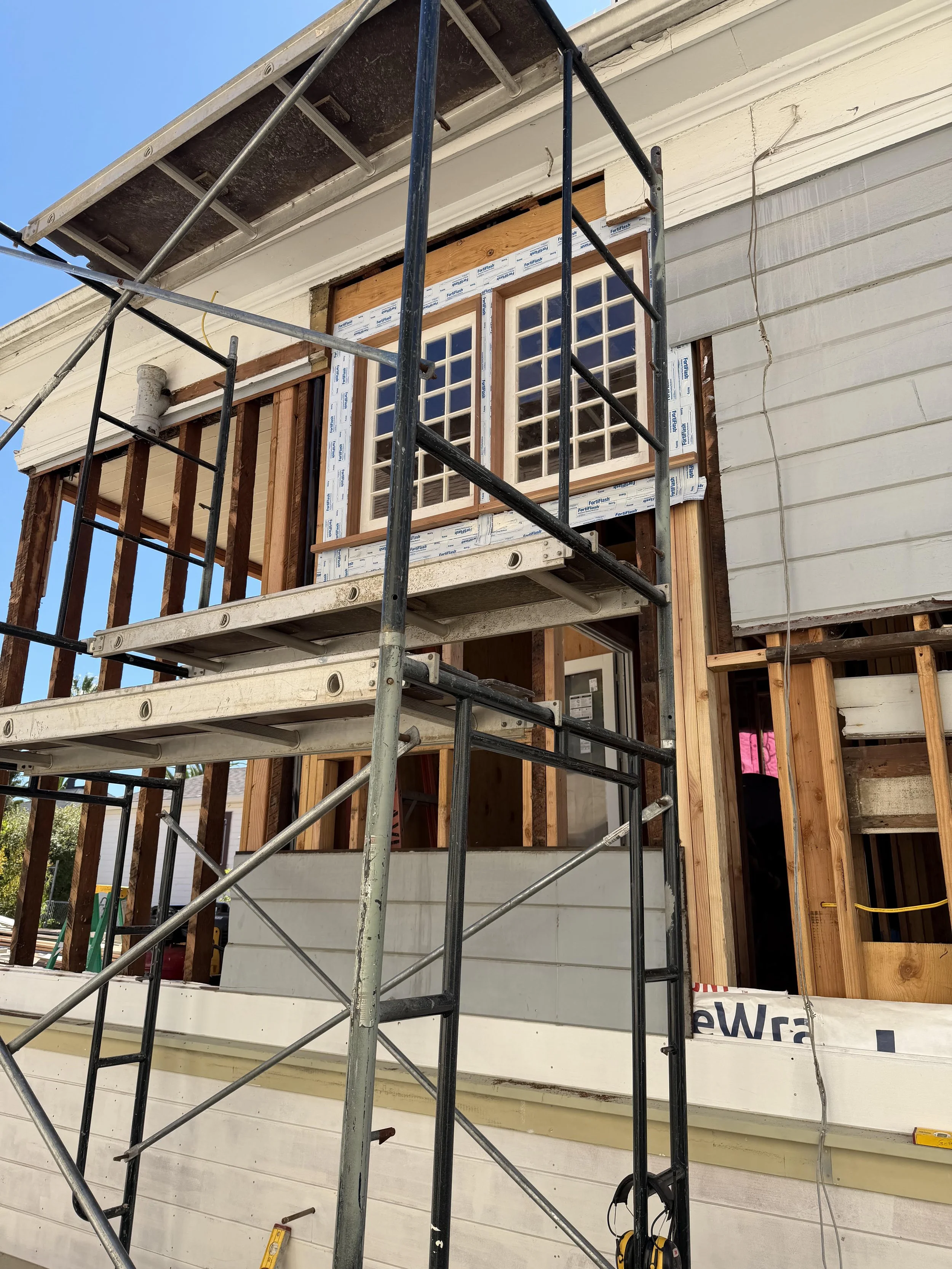
Windows were an area where we had to balance authenticity, performance, and cost. Restoring the original stairwell windows required specialized craftsmanship. Returning the living and dining room openings to their historic dimensions required more work than simply replacing the smaller aluminum windows that were already there. Those were investments we felt were worth making because they restored architectural elements that help define the home.
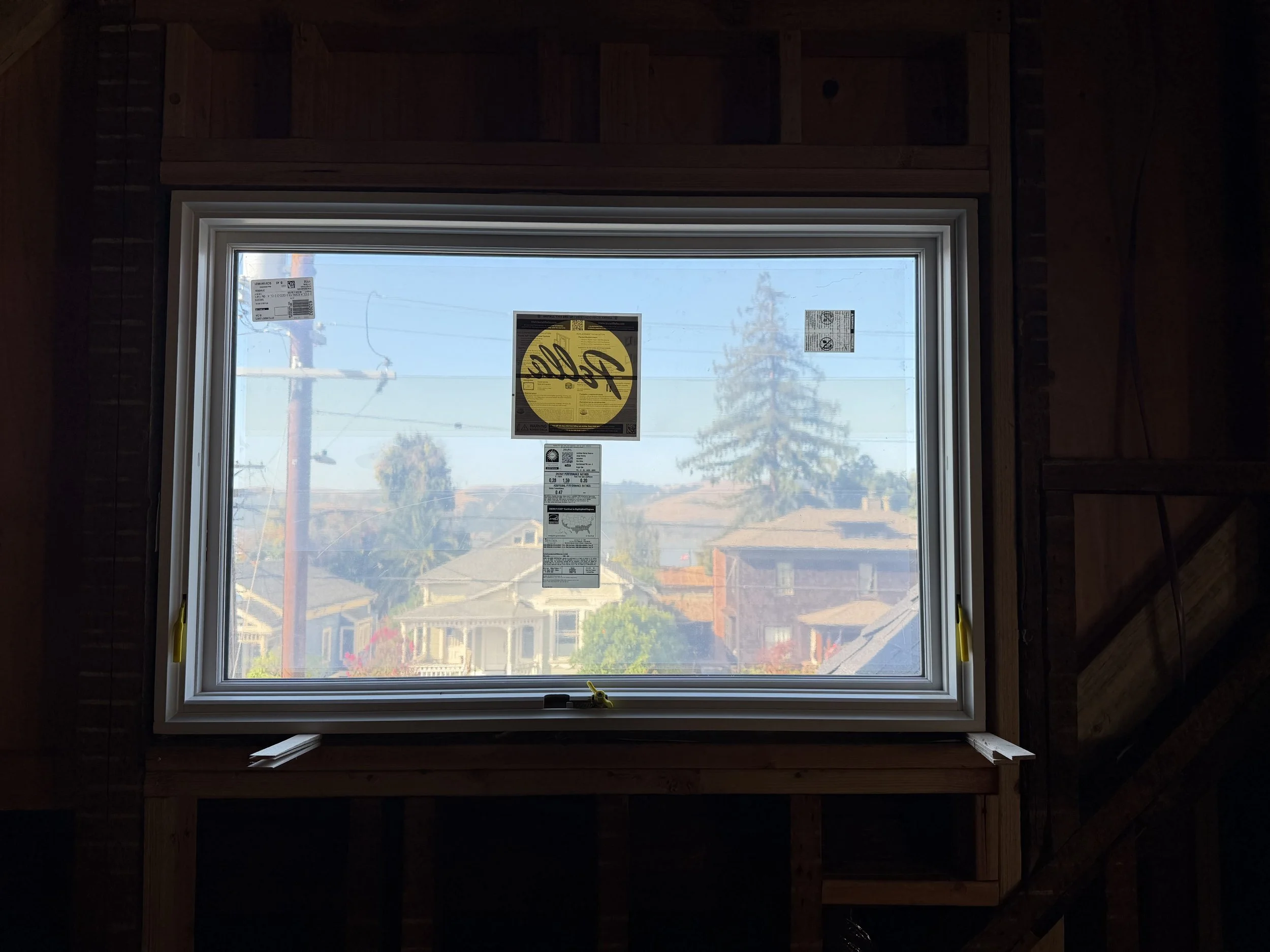
Where original windows no longer existed, however, we didn't need to recreate the past at any cost. Historically appropriate modern windows allowed us to gain today's energy efficiency and functionality while maintaining the proportions and character of the Folk Victorian.
That balance has become central to how I think about restoration: Preserve what gives a home its soul. Modernize where doing so allows it to live better.
Lessons from the House
Before this project, I thought about windows primarily in terms of style and energy efficiency. Now I notice proportion. I notice how the top of a window relates to the ceiling, how a series of windows creates rhythm across a façade, and how dramatically the size of an opening changes the feeling inside a room. I also learned an important lesson about historic homes: not everything you inherit is original.
Homes evolve over generations, and previous renovations become layers in their history. Part of restoration is learning enough about the house to distinguish between the features that should be protected and the alterations that may be worth reconsidering.
Sometimes restoring character means saving something old. Sometimes it means undoing something newer.
✓ I'd Do This Again
Research the home's original architecture before making decisions about replacement windows. Returning the living and dining room windows to their original dimensions had a greater impact than I anticipated—not only on the exterior, but on the feeling of the rooms themselves.
◇ I'd Think Twice About
Don't automatically assume an old window needs to be replaced. Our stairwell windows looked as though they were nearing the end of their lives, but restoration allowed us to preserve an authentic piece of the house. A skilled restoration professional can help determine what can realistically be saved.
✦ Tips for Homeowners
When renovating a historic home, look at windows as part of the architecture. Study their proportions, placement, trim, and relationship to neighboring windows. And before replacing anything, find out whether it's original. If it is, restoration may be worth exploring. If it isn't, you may have an opportunity to bring back something the house lost along the way.
Closing Reflection
Of all the lessons the windows taught me, perhaps the most important was that preservation requires discernment.
We returned some windows to proportions that had been lost. We saved two originals that might easily have been replaced. And where a former kitchen was becoming a bedroom and ensuite, we introduced something new that felt more at home in the architecture than what had been there before. Different solutions, but the same intention. To understand what belonged to this Folk Victorian and make decisions that would allow its character to endure.
The goal was never to make the house look new. It was to help it feel like itself again.
Next Chapter
Chapter Four
Beyond the Pipes: Designing for Comfort, Efficiency, and Everyday Living
"Some of the most important design decisions are never seen—but they're felt every single day. In the next chapter, we'll step behind the walls to explore how thoughtful plumbing design, efficient water systems, and planning for the future quietly shape the way a home lives."