A New Beginning: Lifting the House and Building a Foundation
"Sometimes the strongest foundation isn't the one beneath the house—it's the vision that guides every decision above it."
The Story
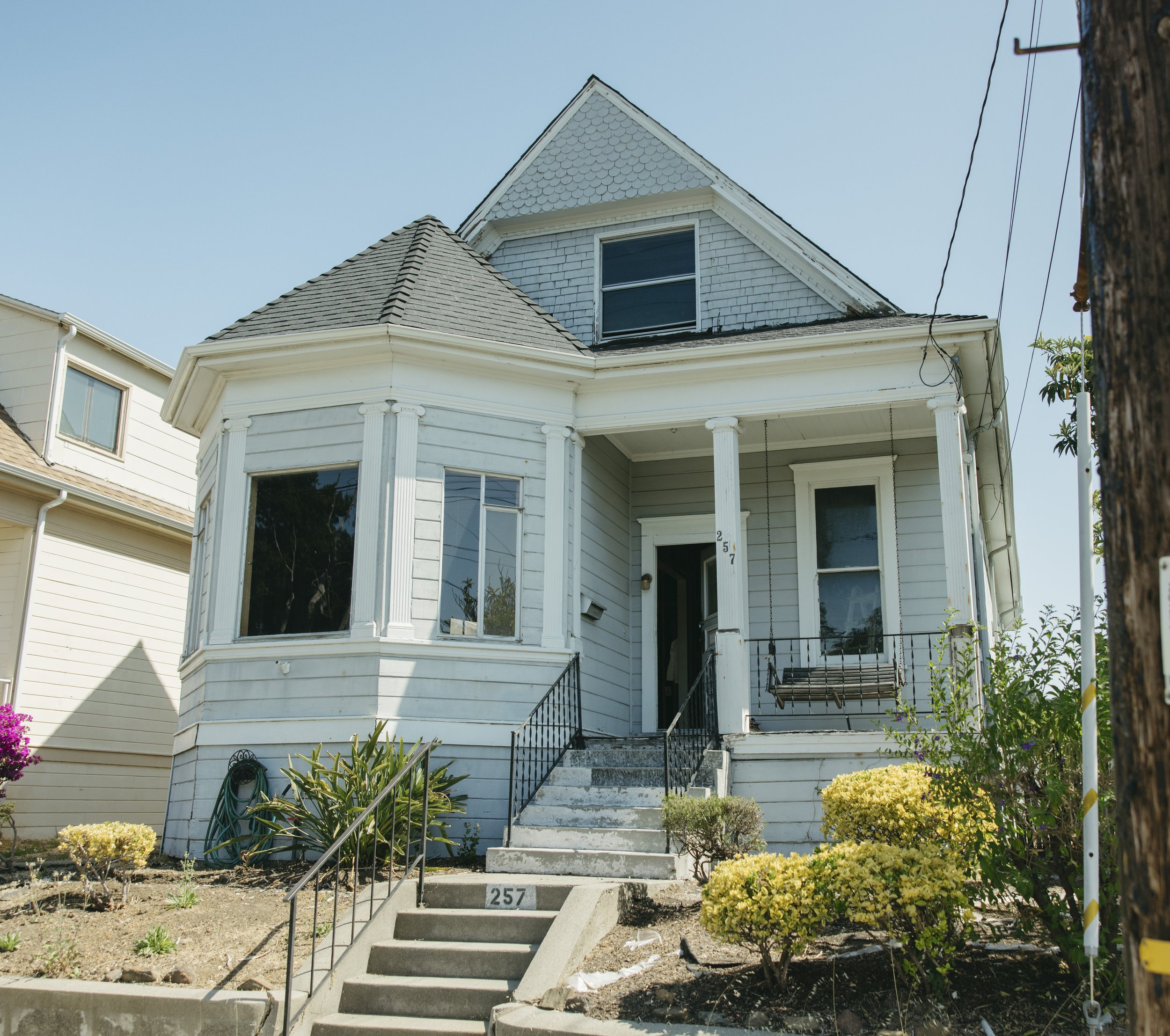
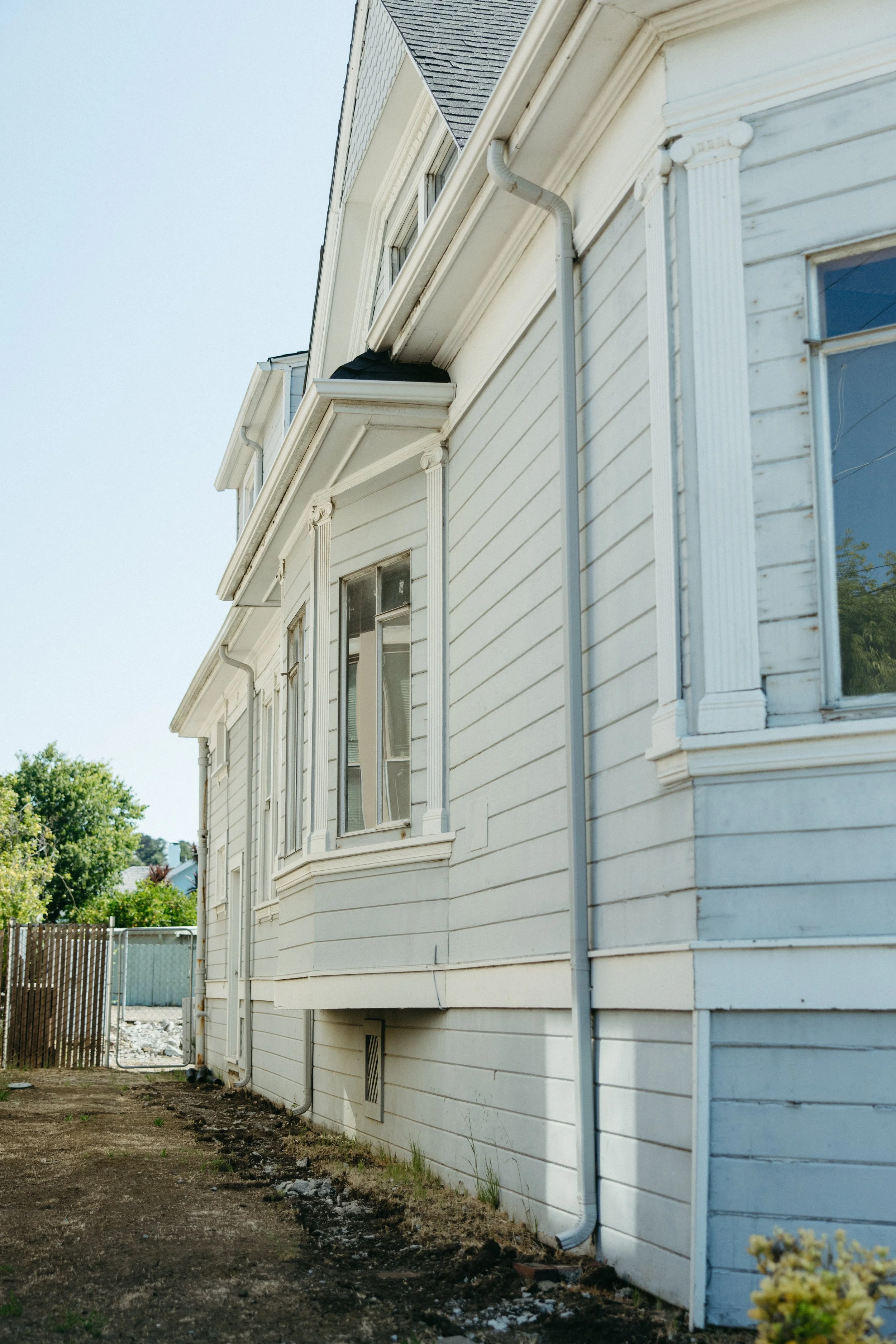
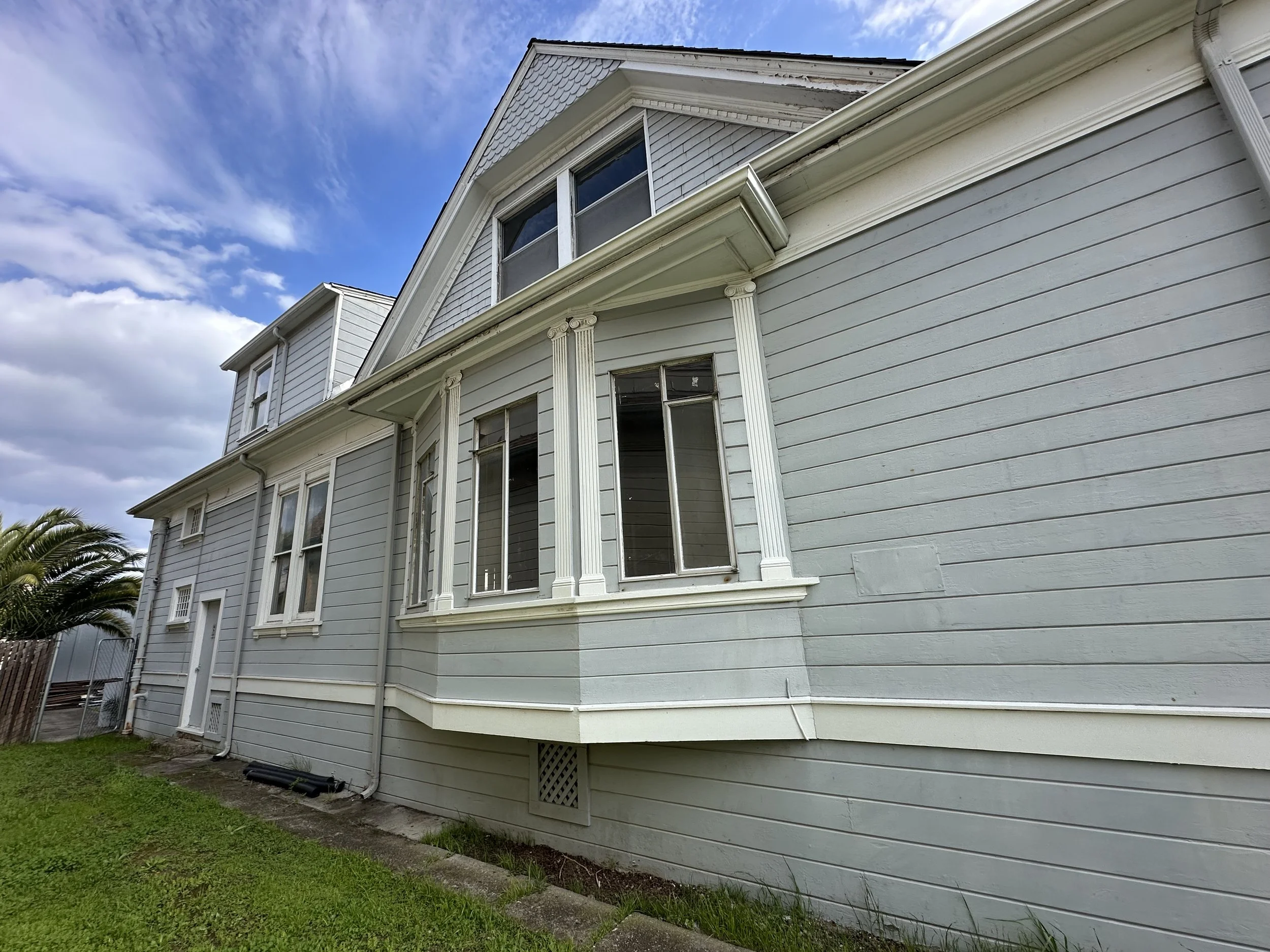
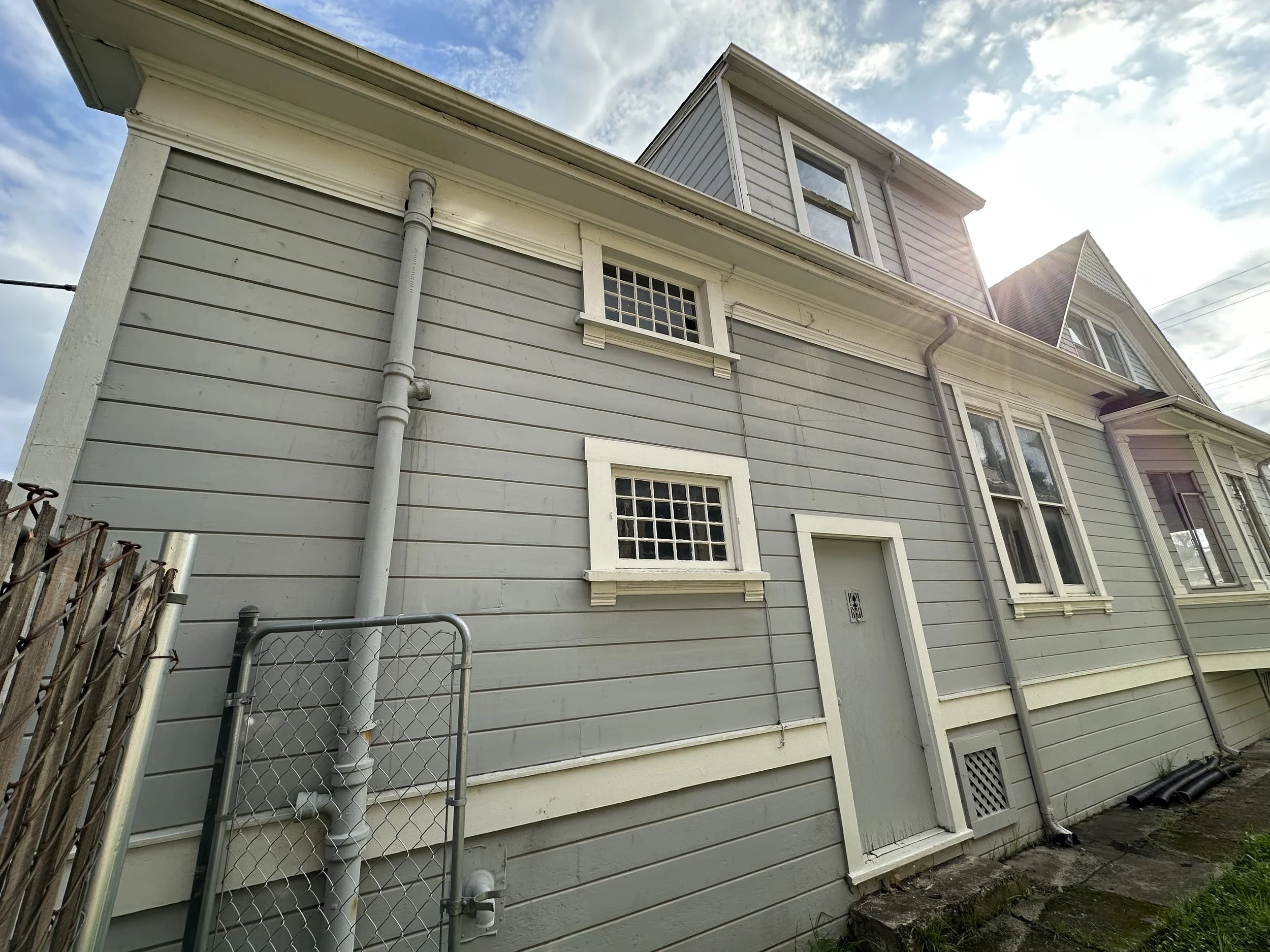
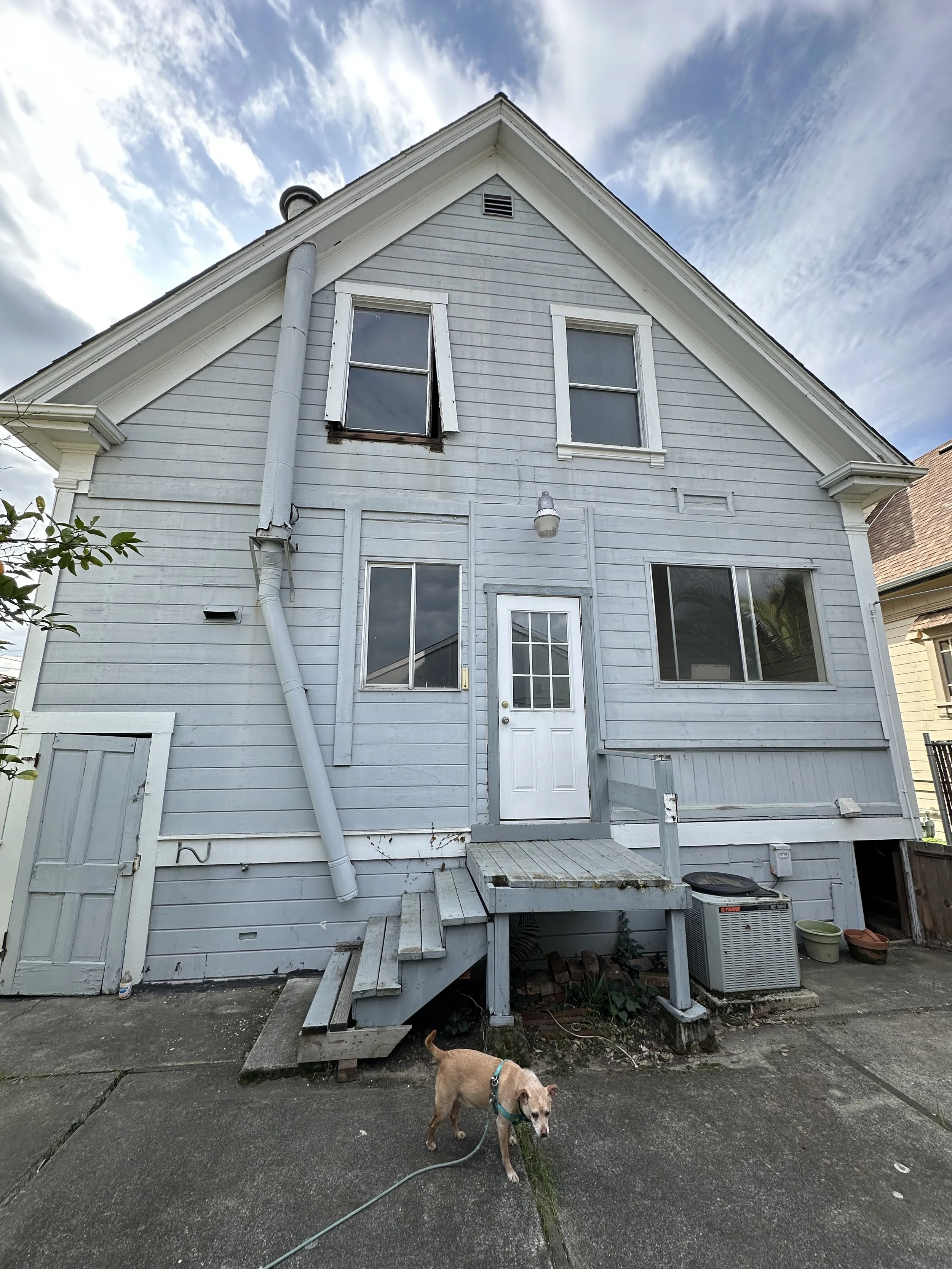
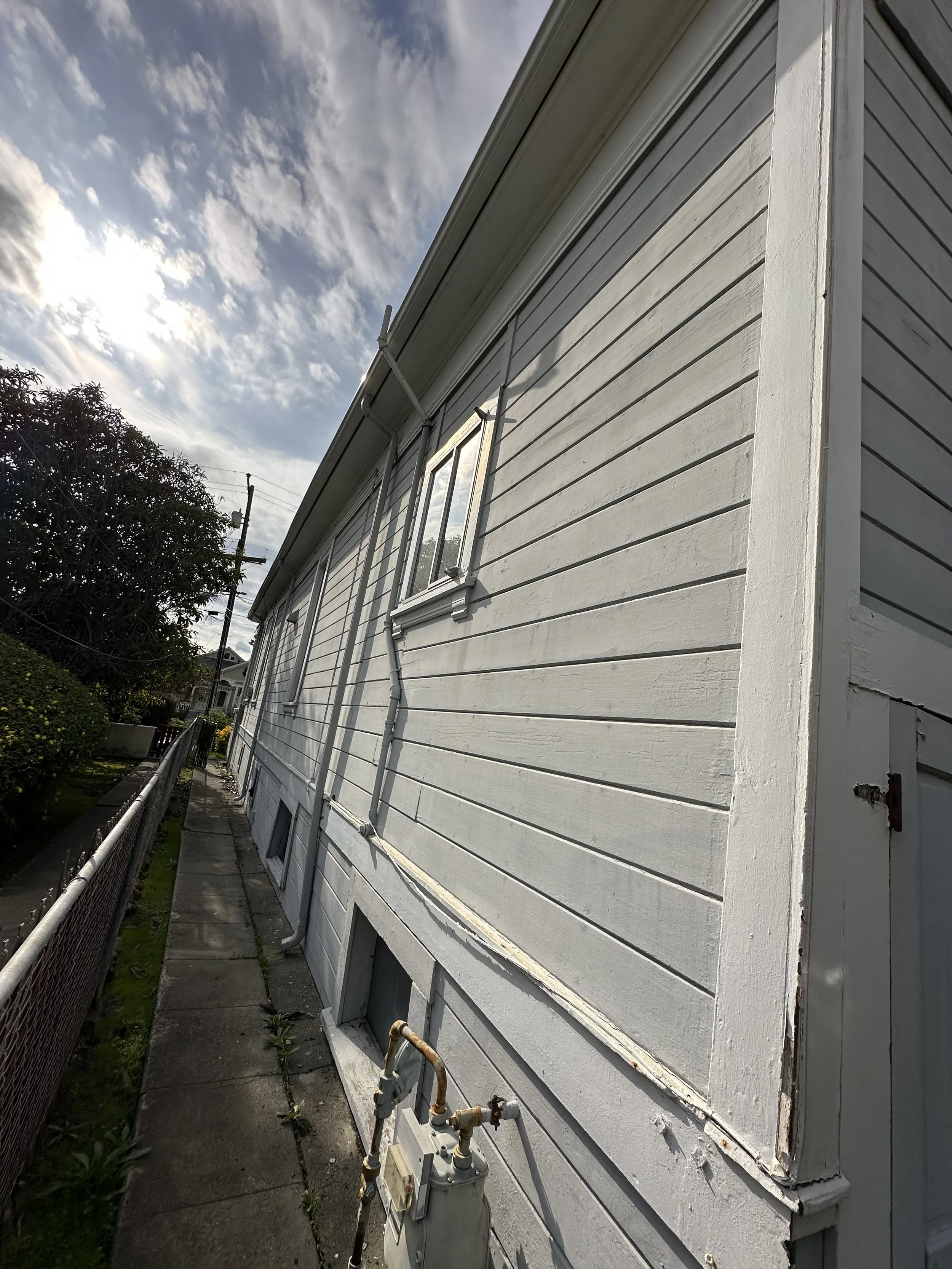
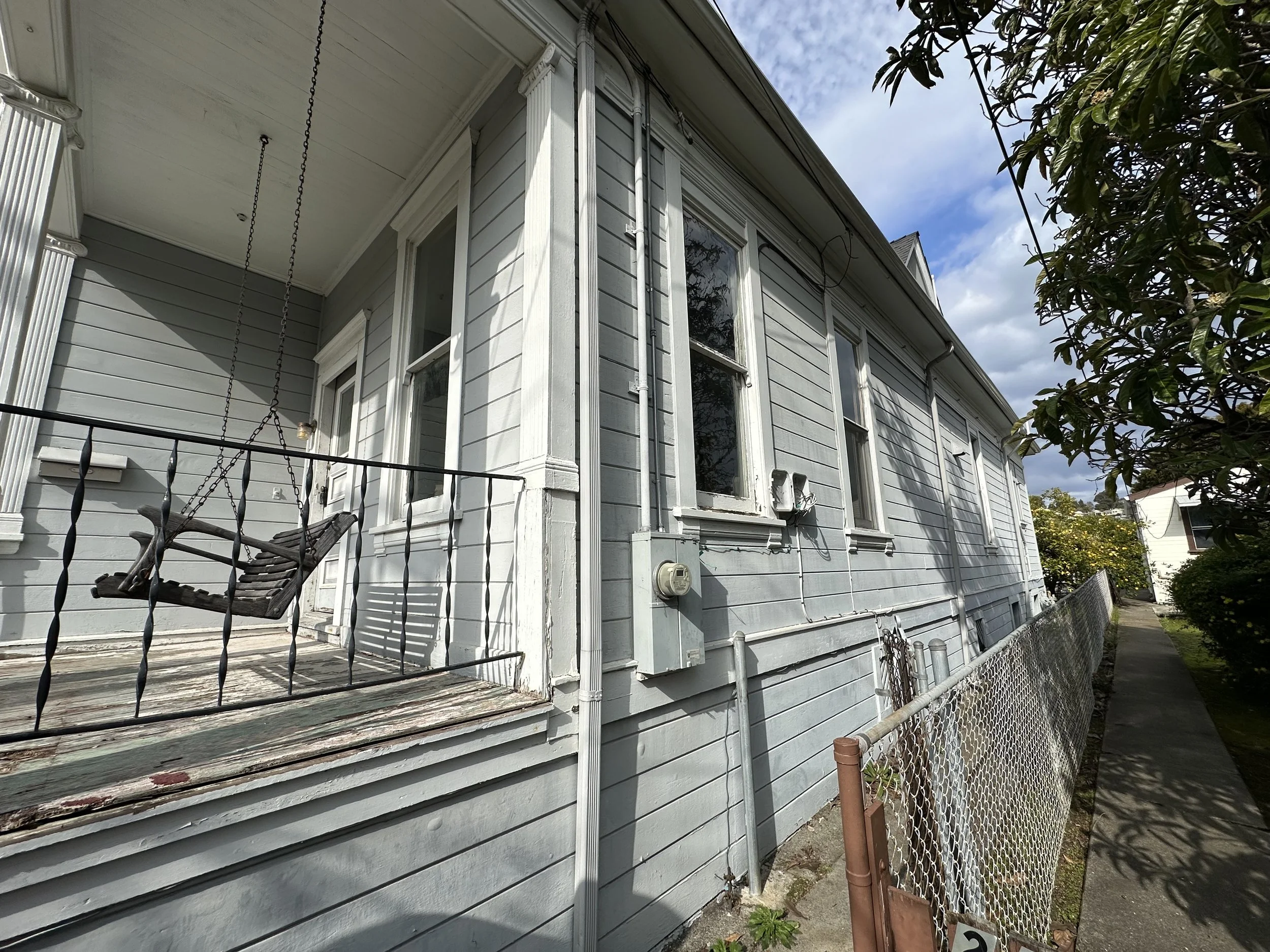
Every renovation has a defining moment. For some, it's choosing the perfect kitchen or watching fresh paint transform a room. For us, that moment came much earlier, when our home was lifted completely off the ground.
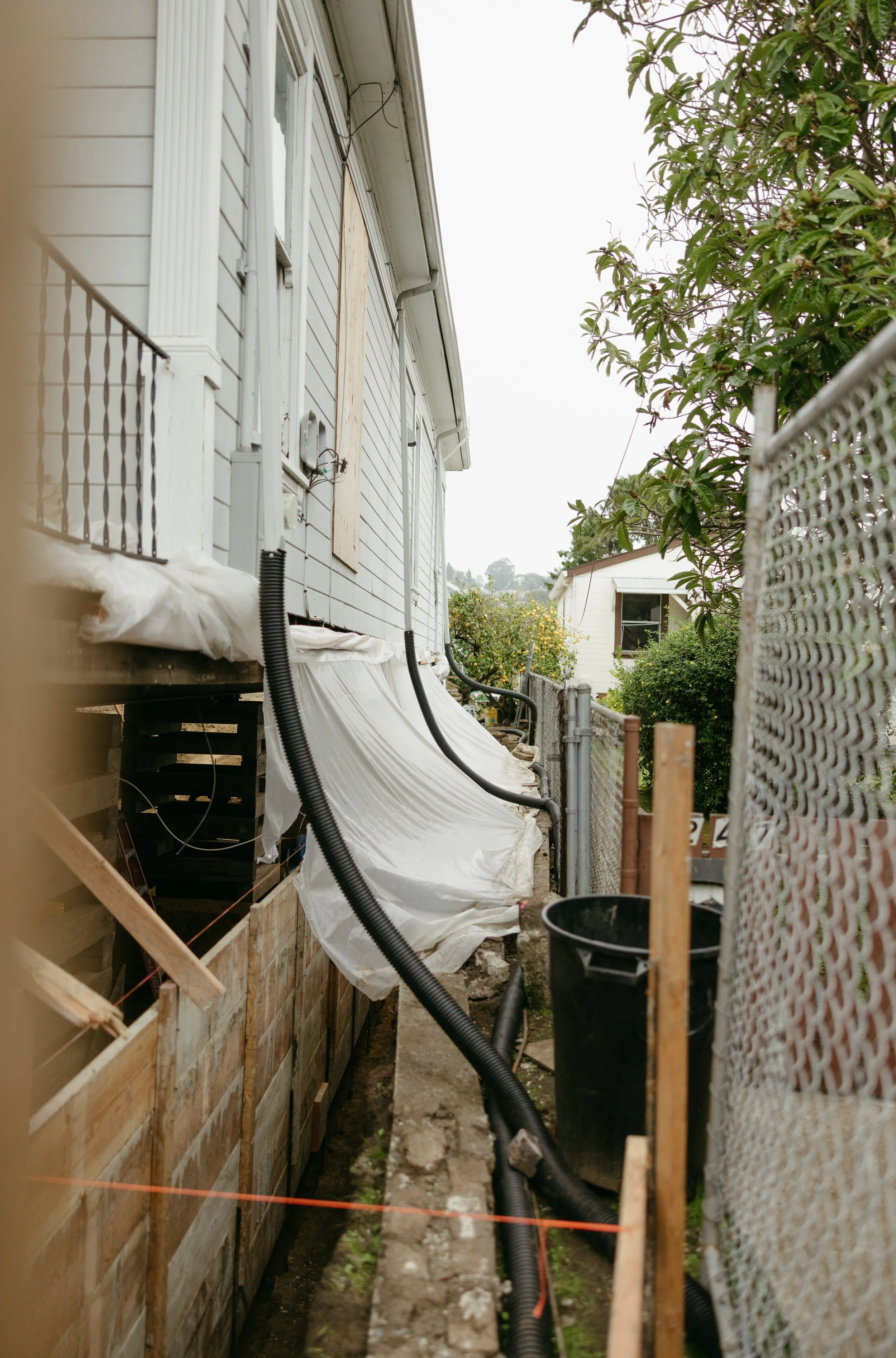
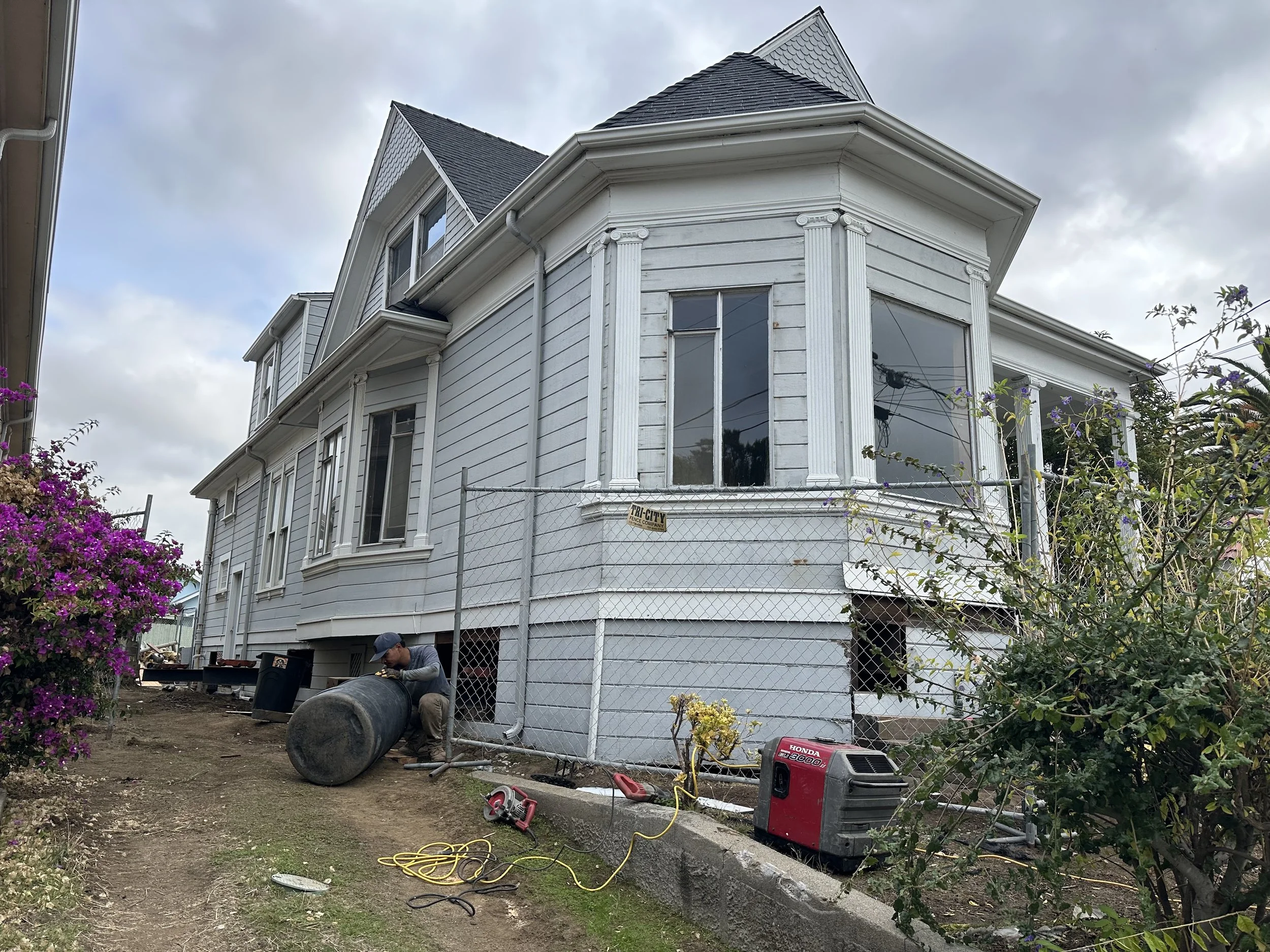
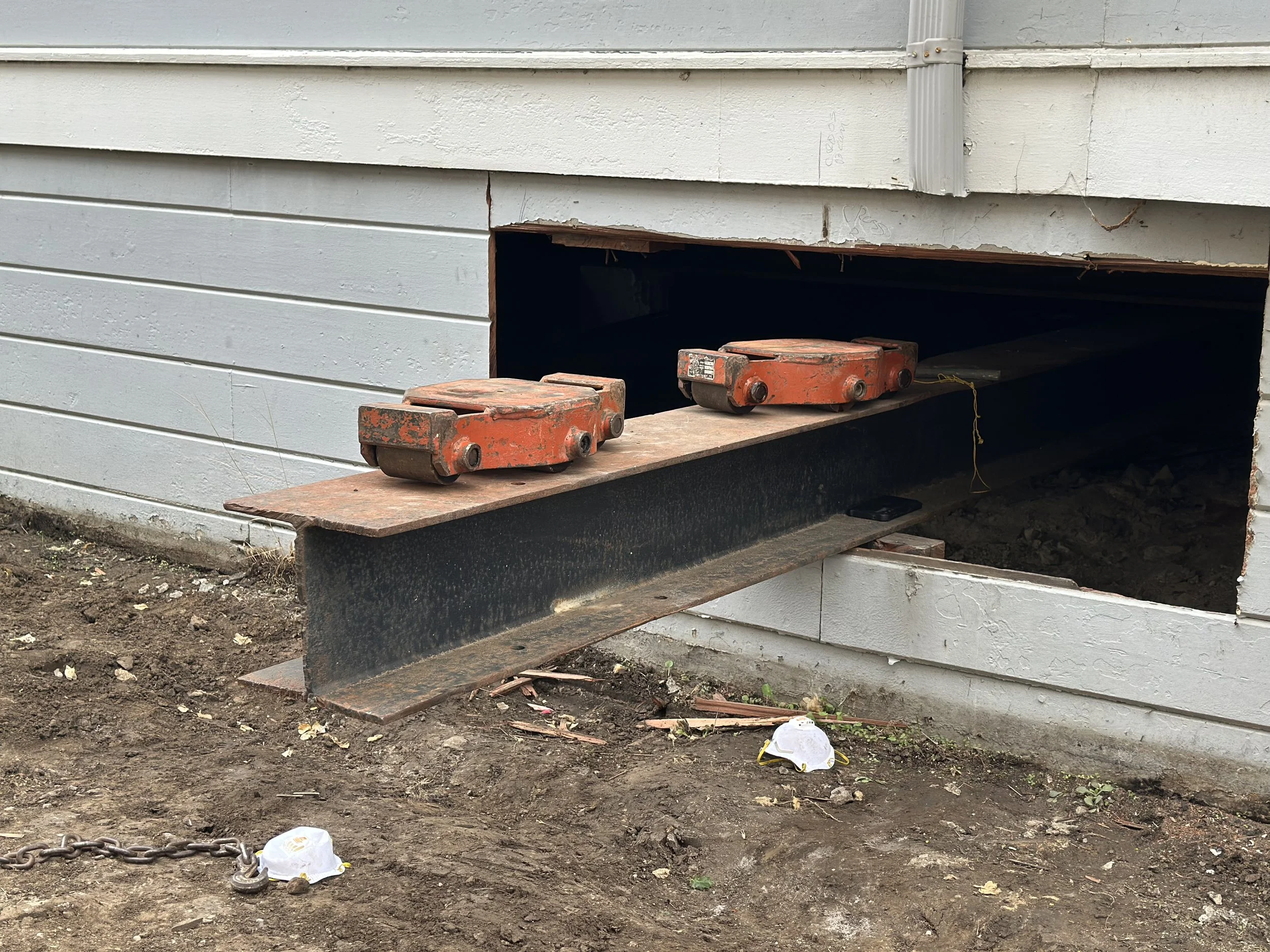
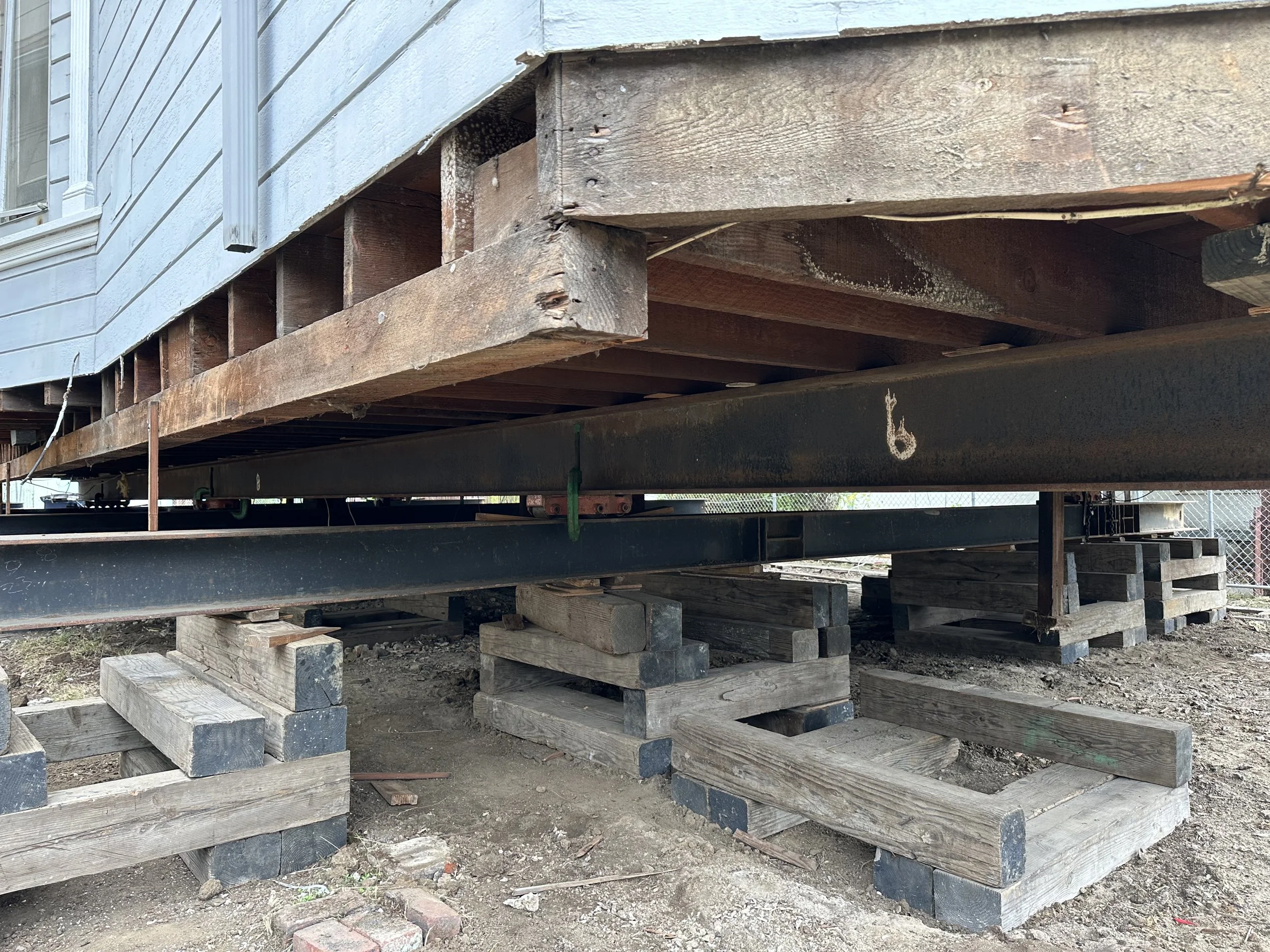
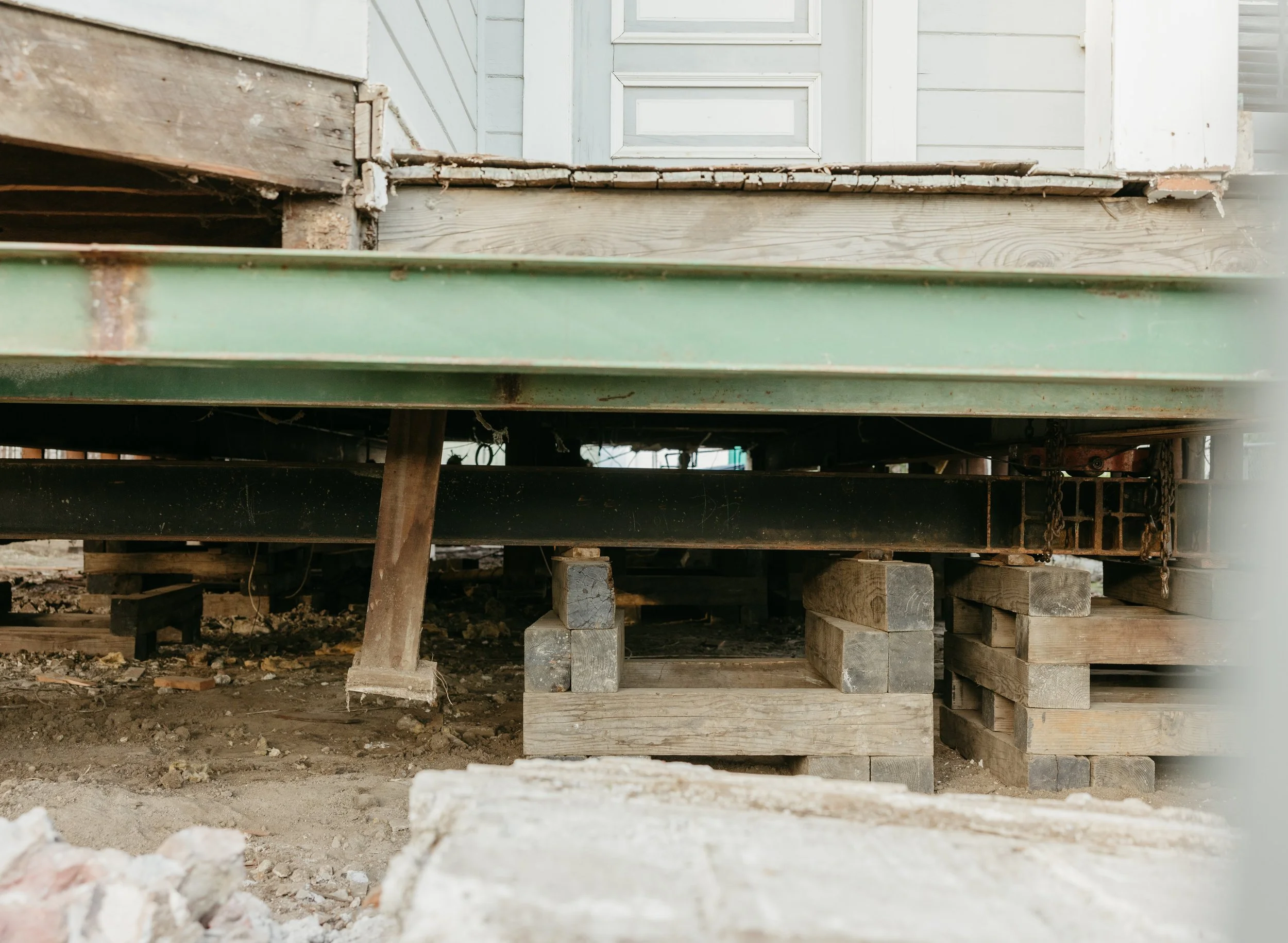
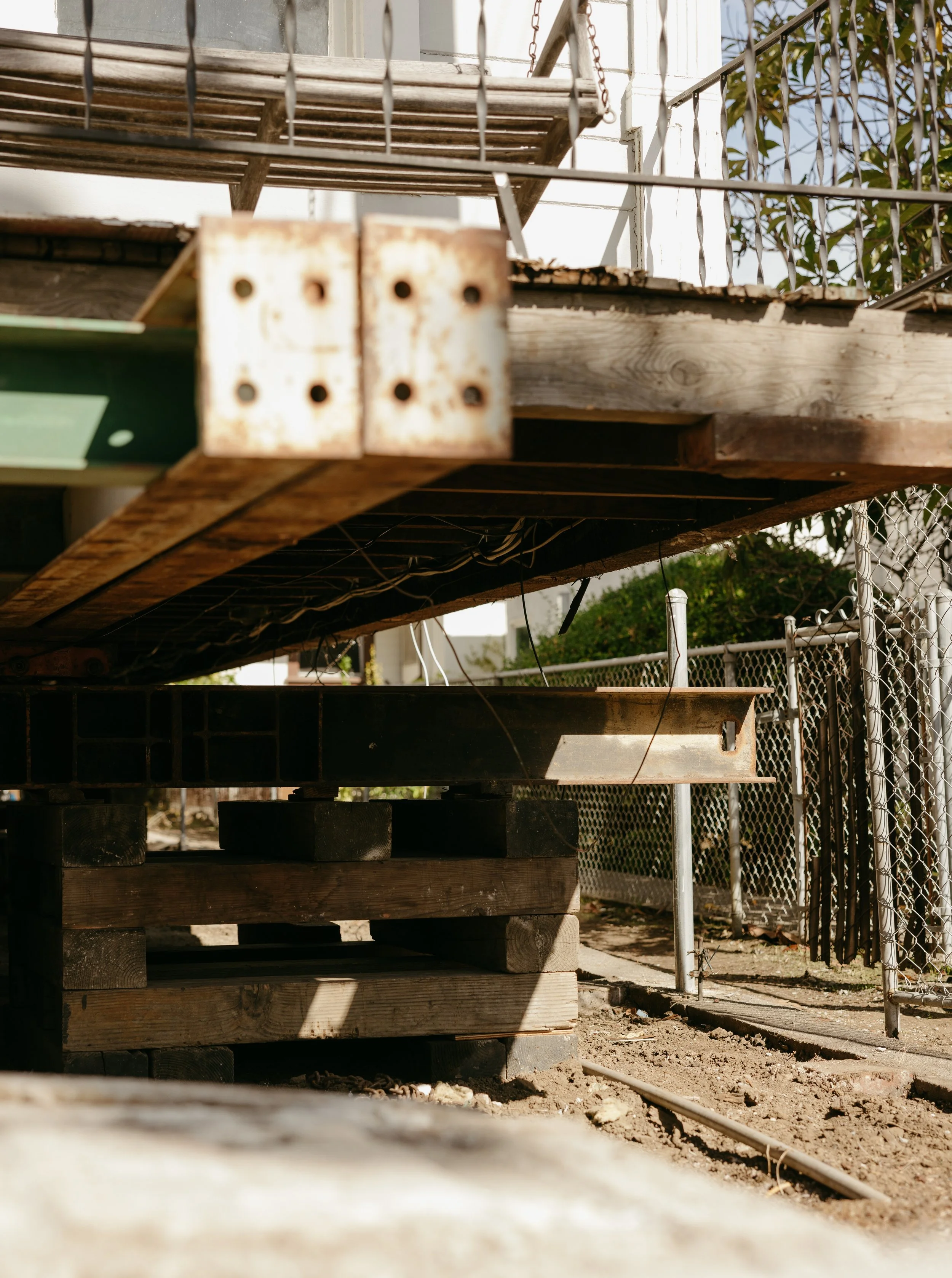
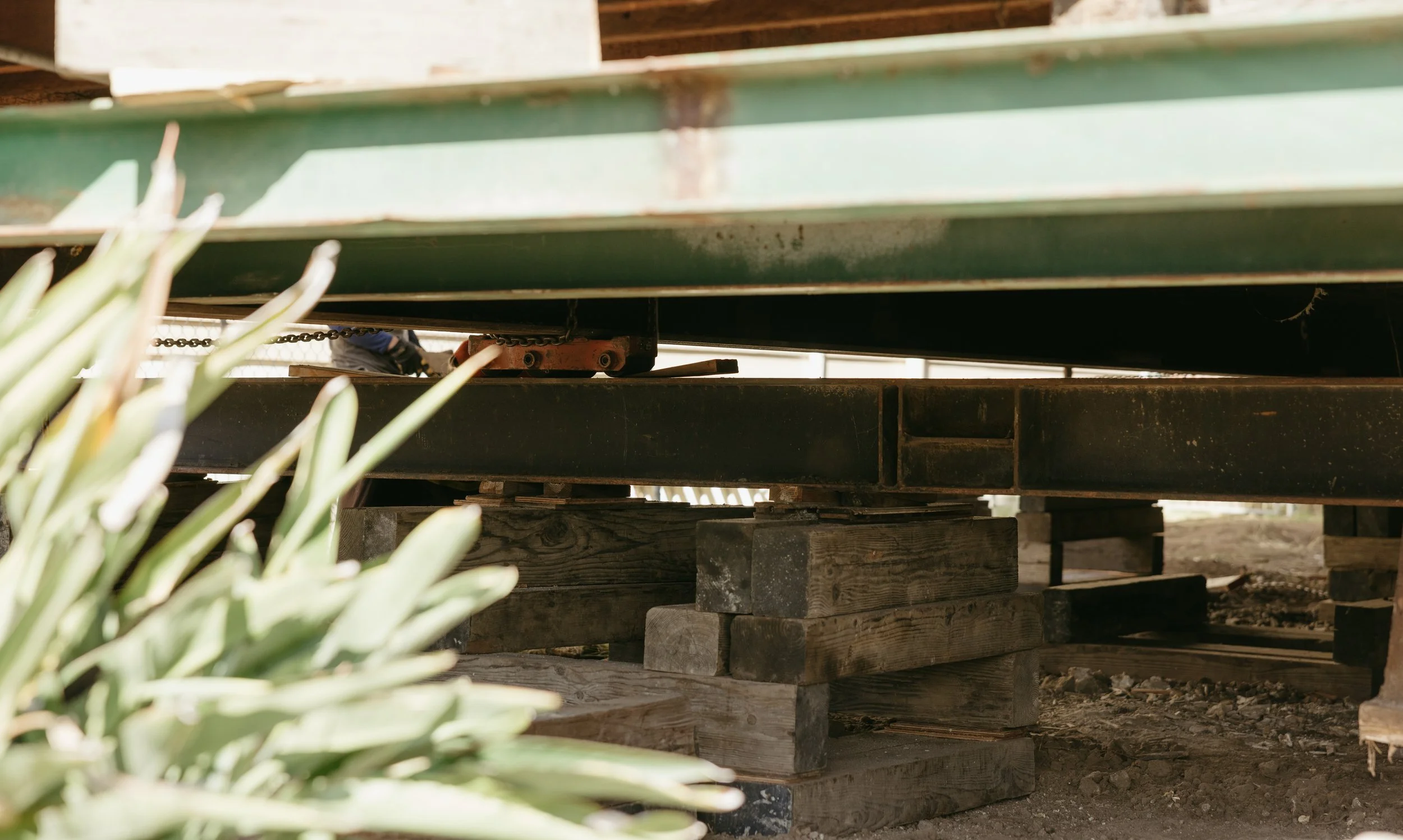
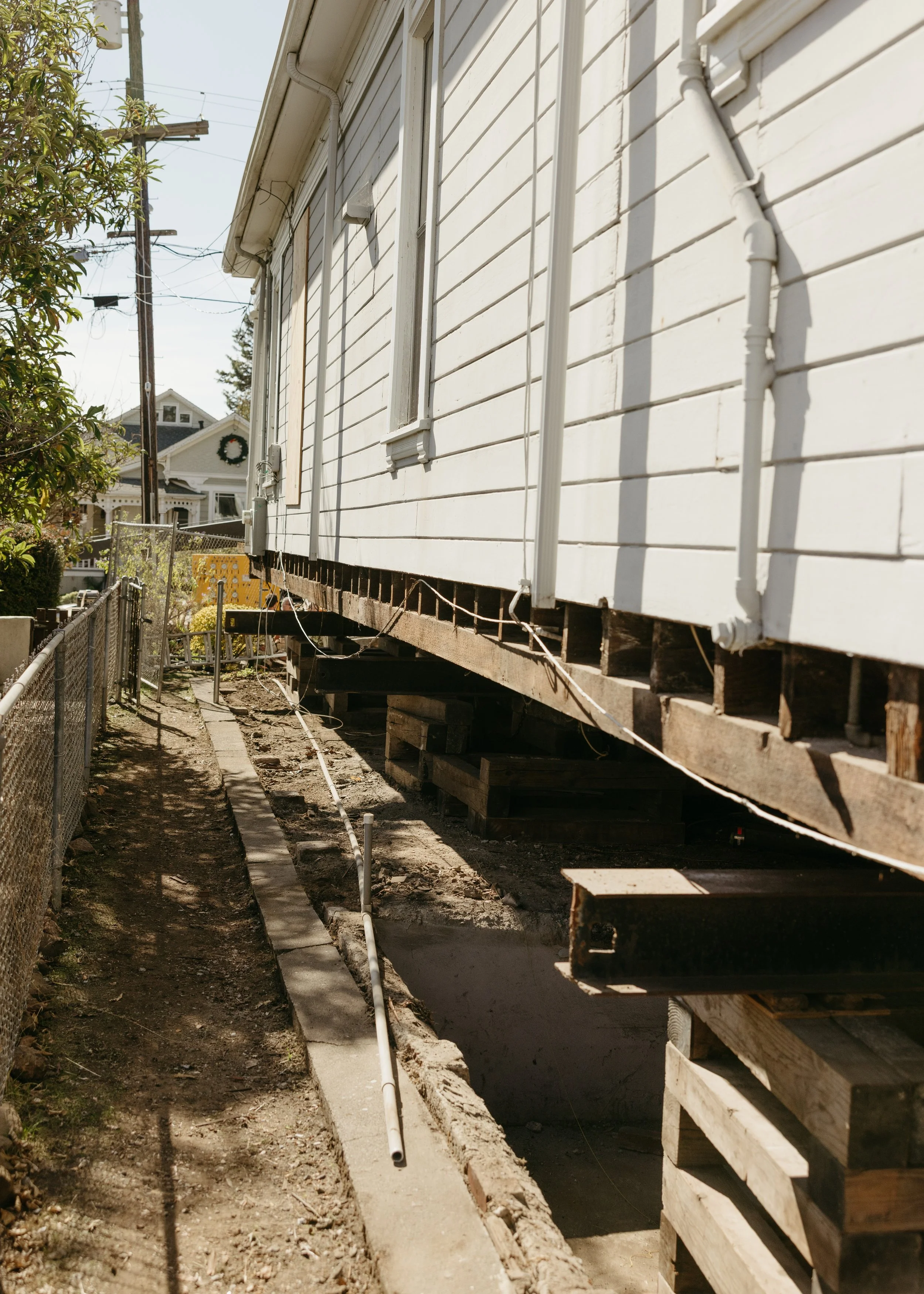
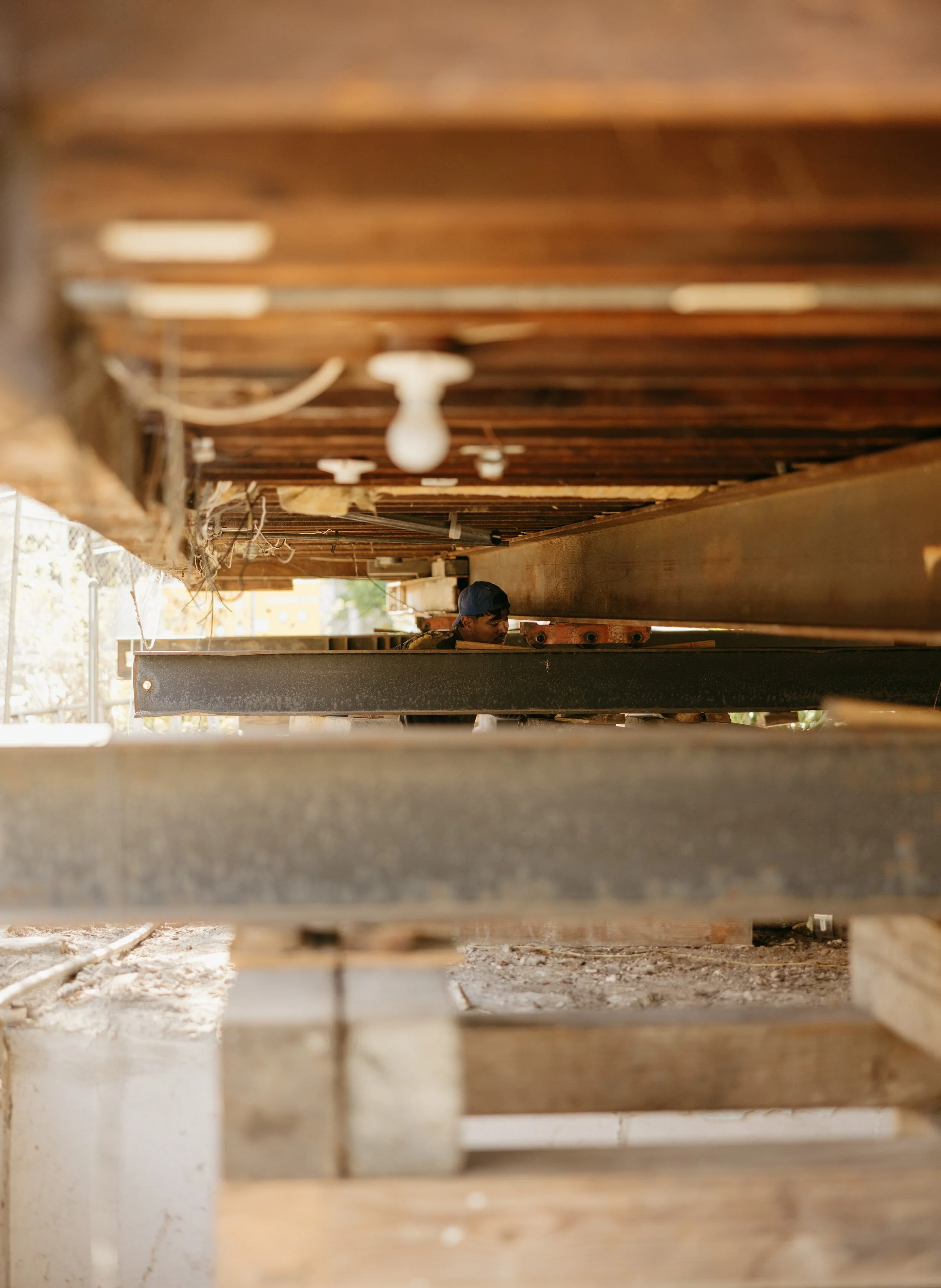
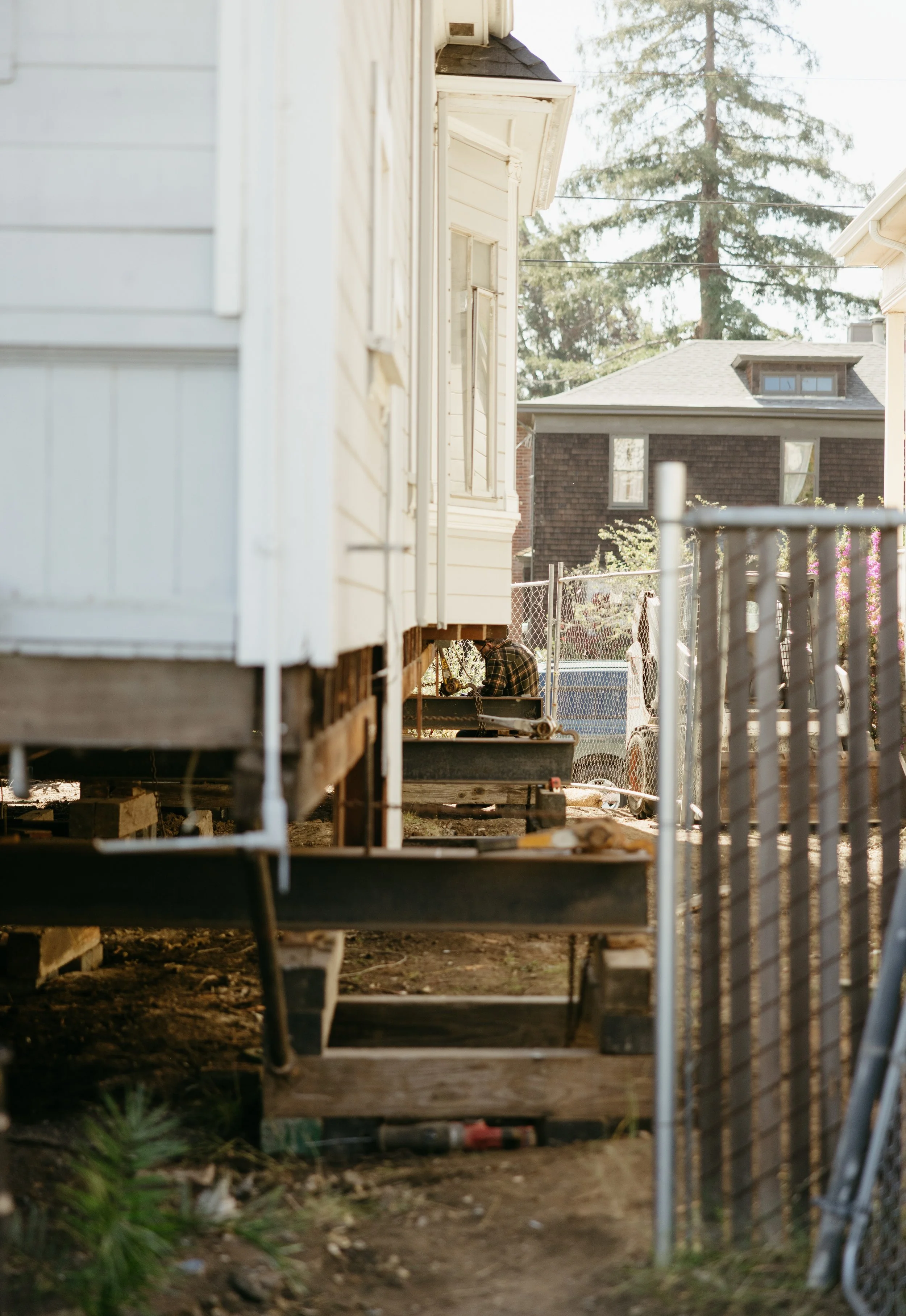
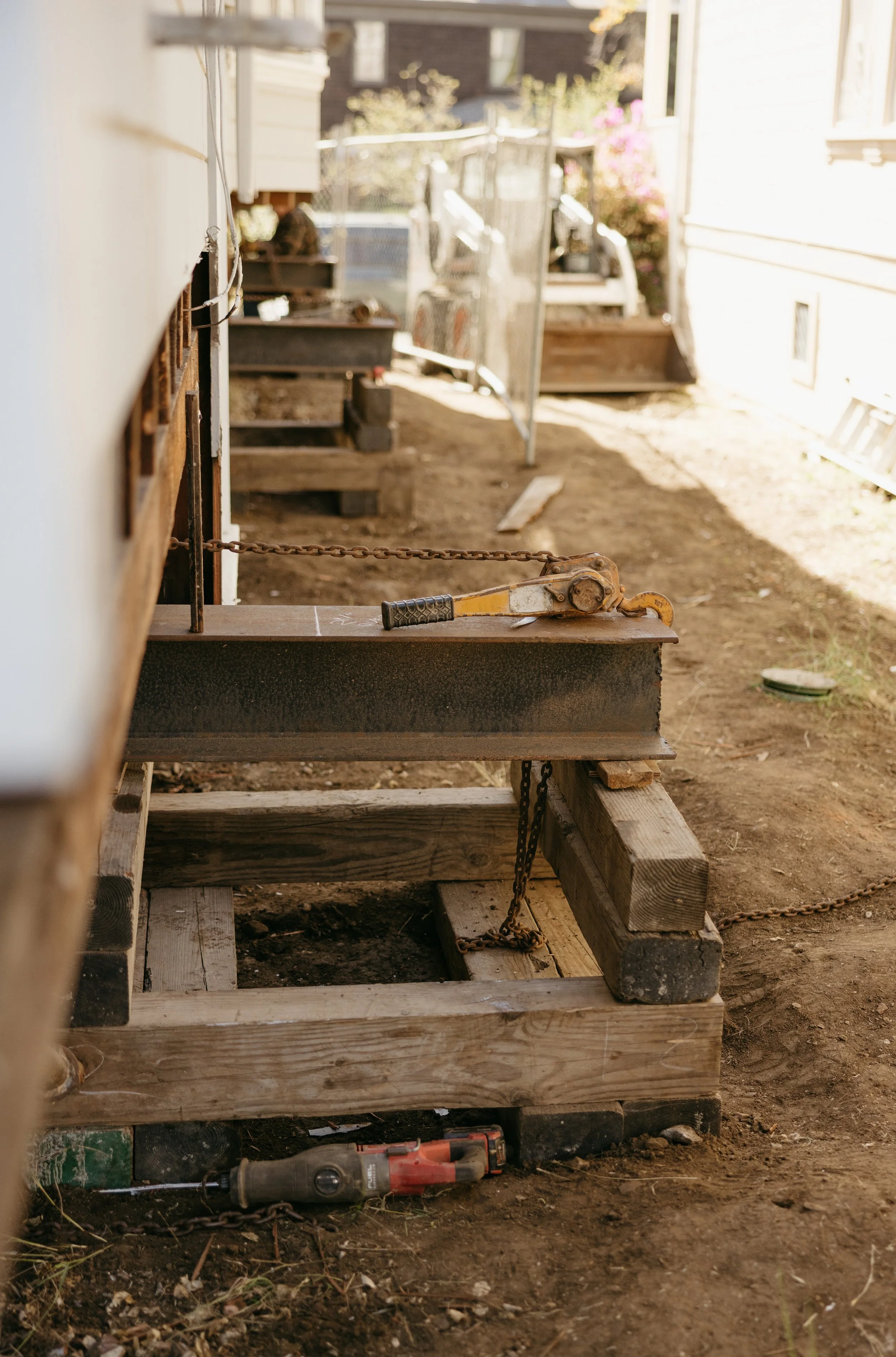
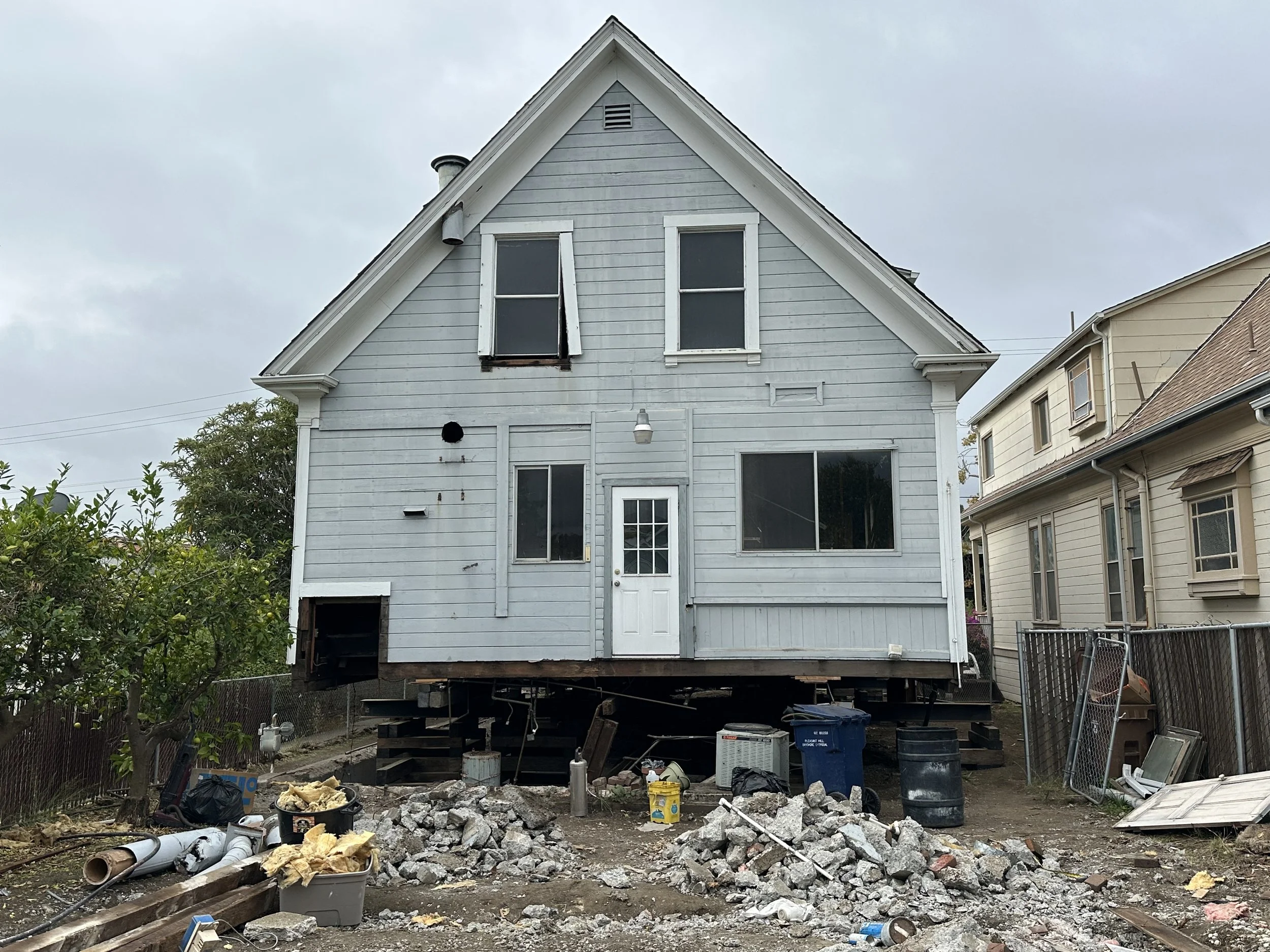
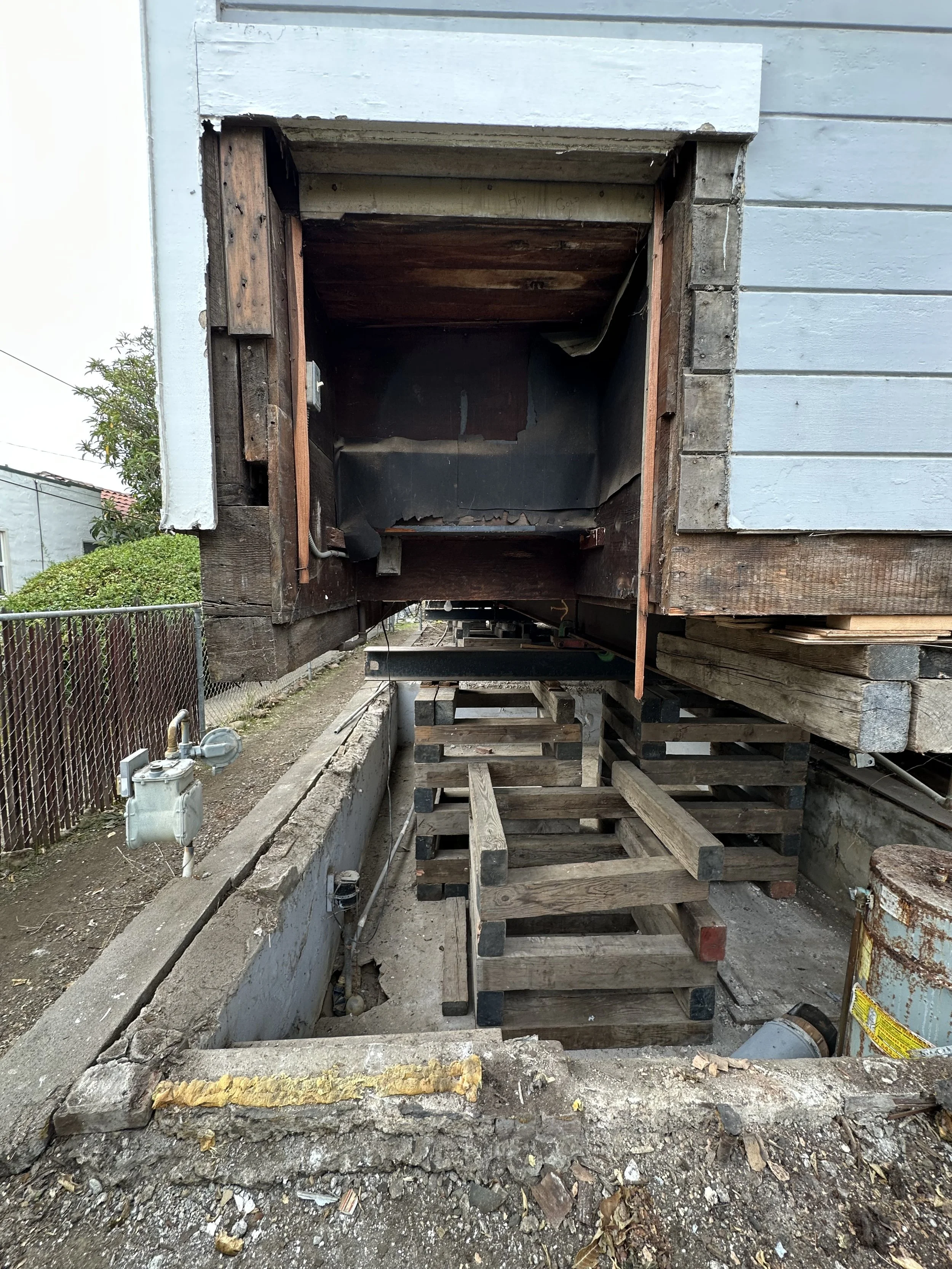
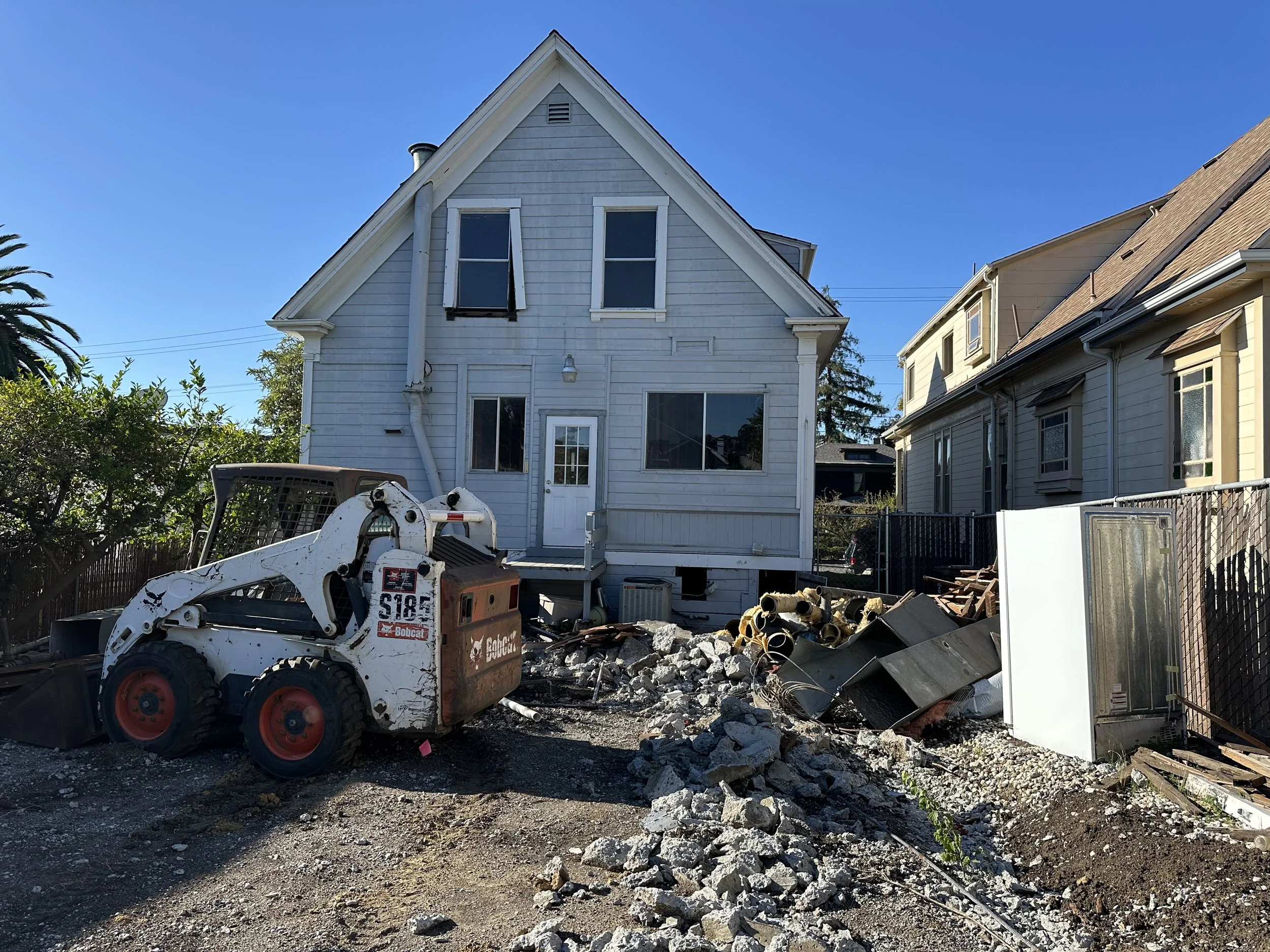
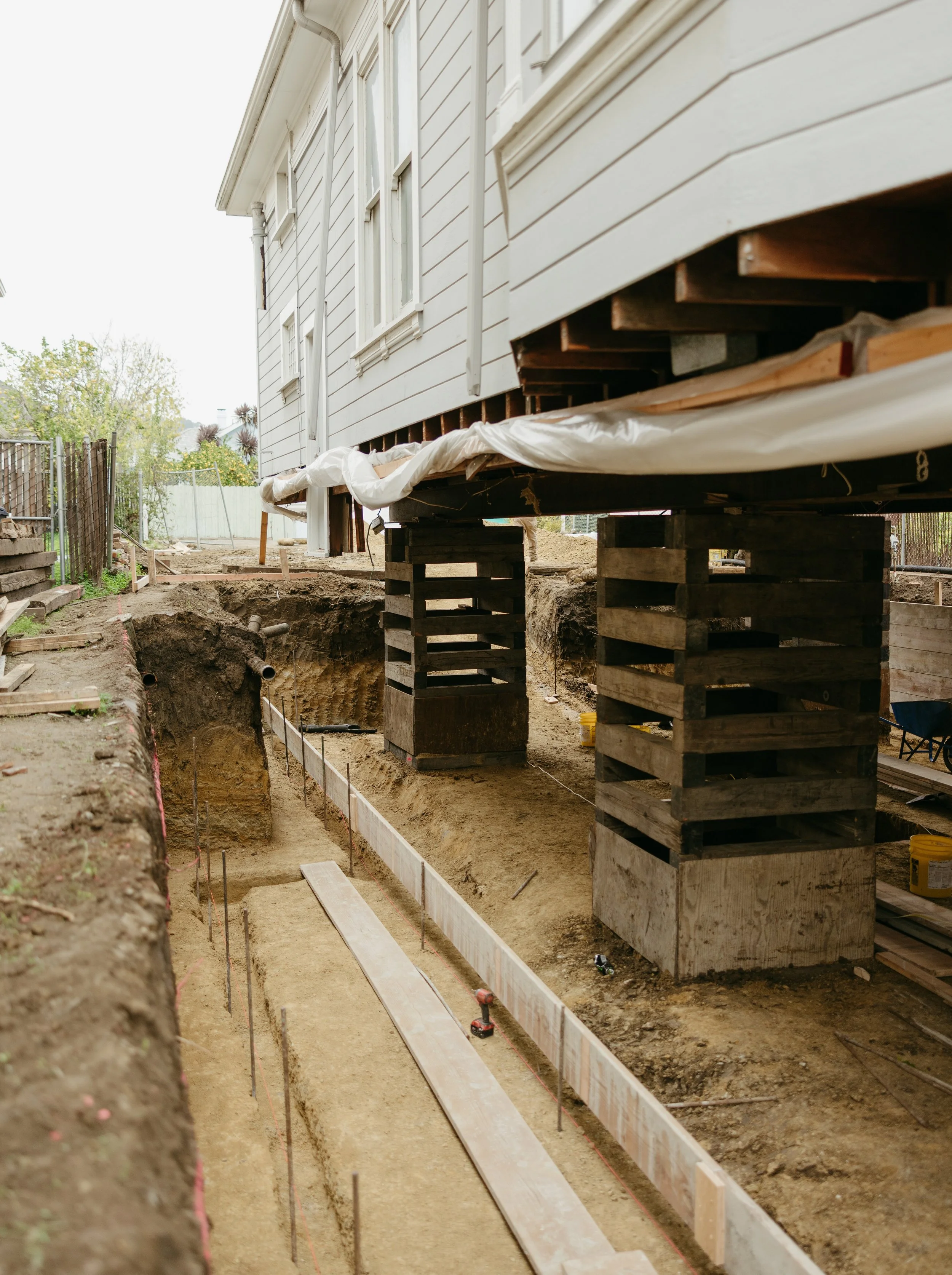
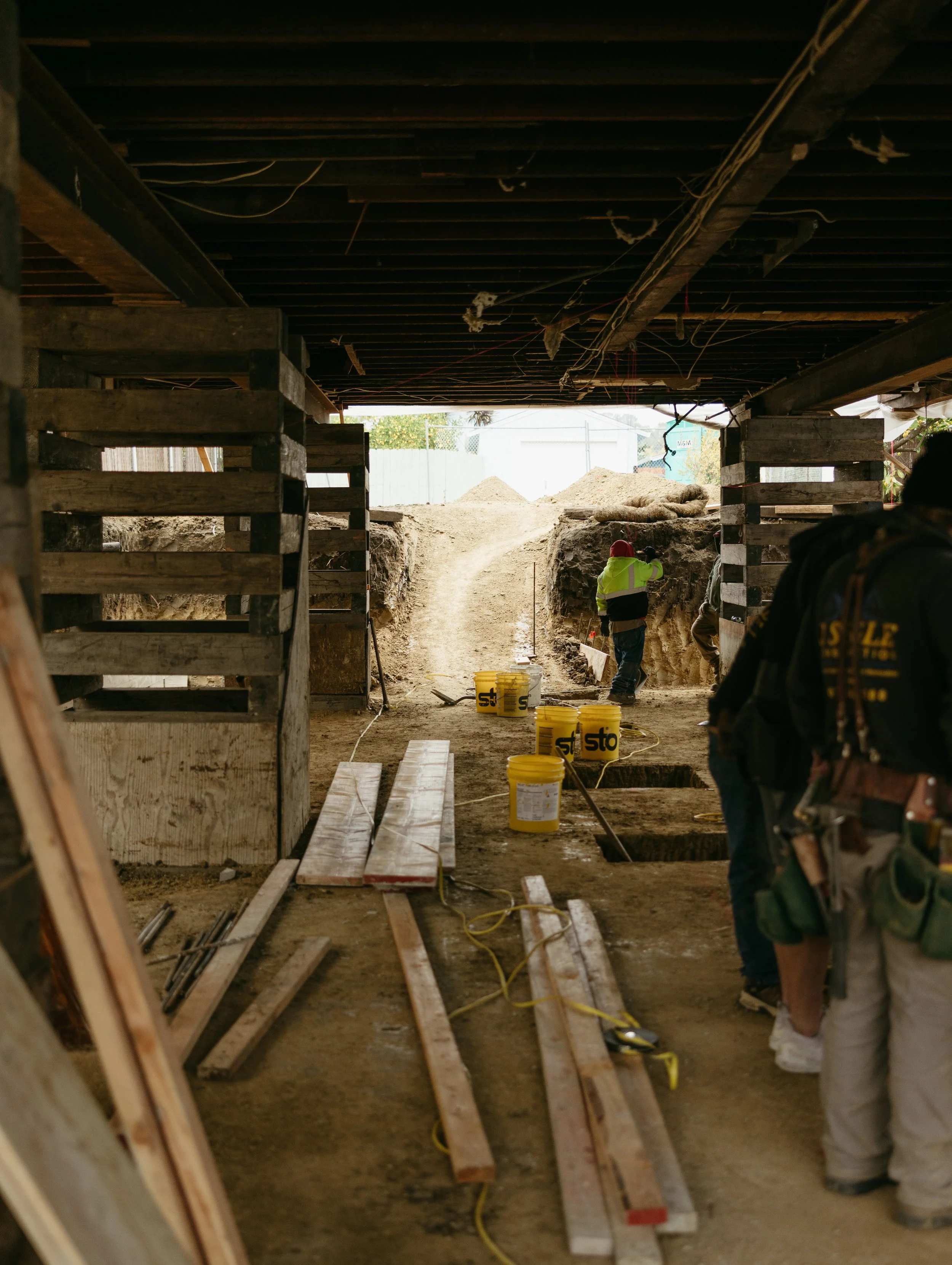
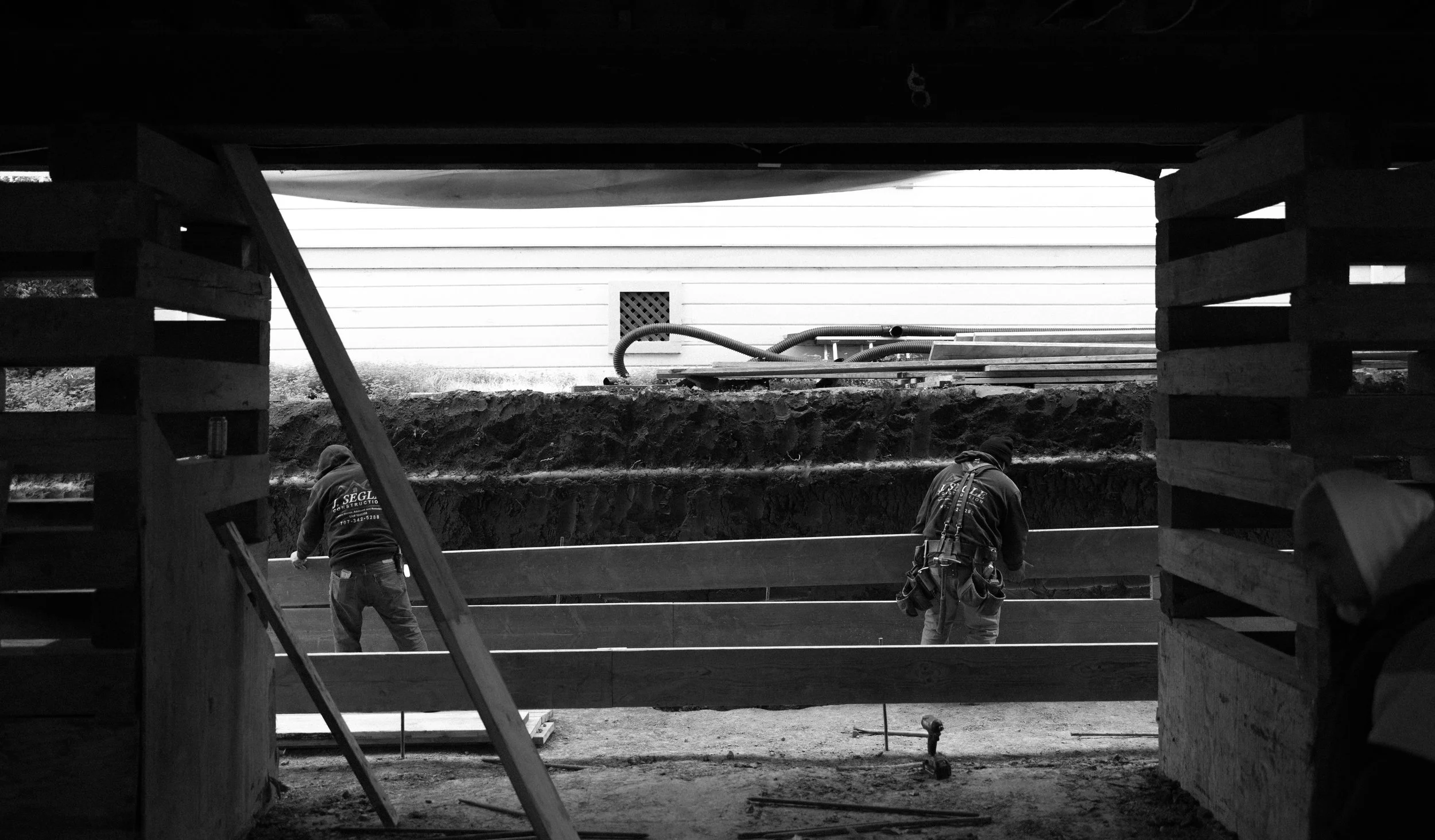
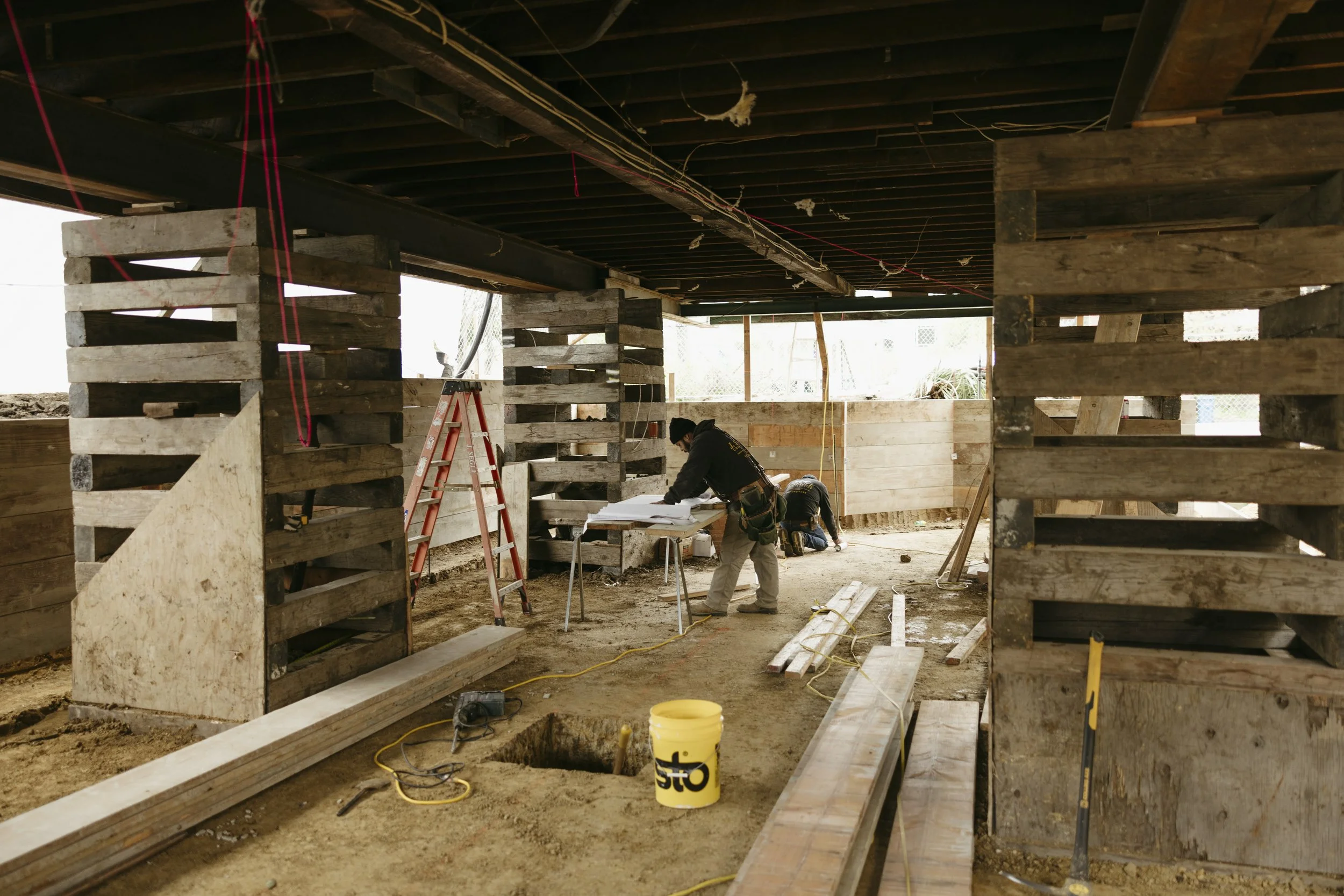
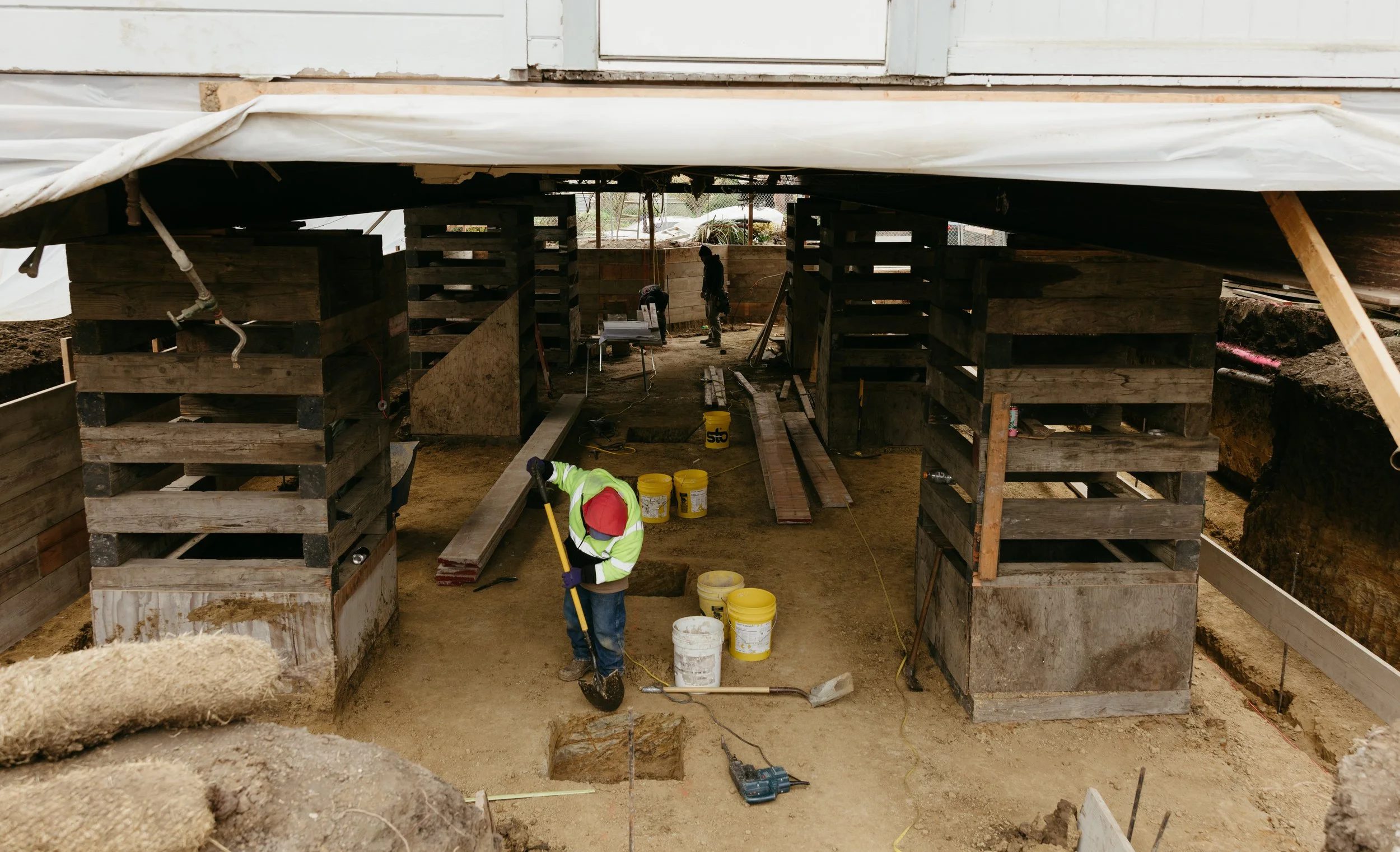
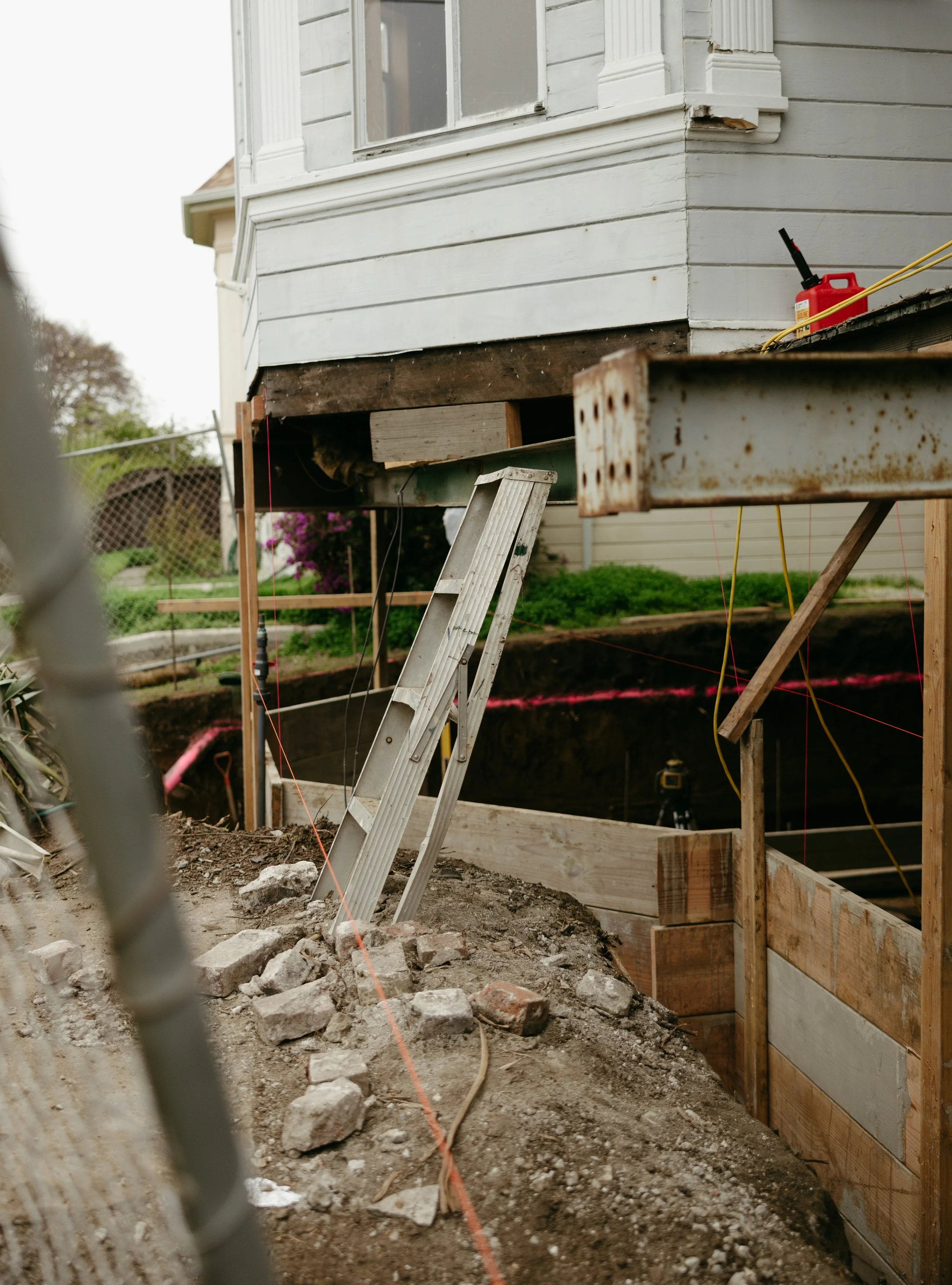
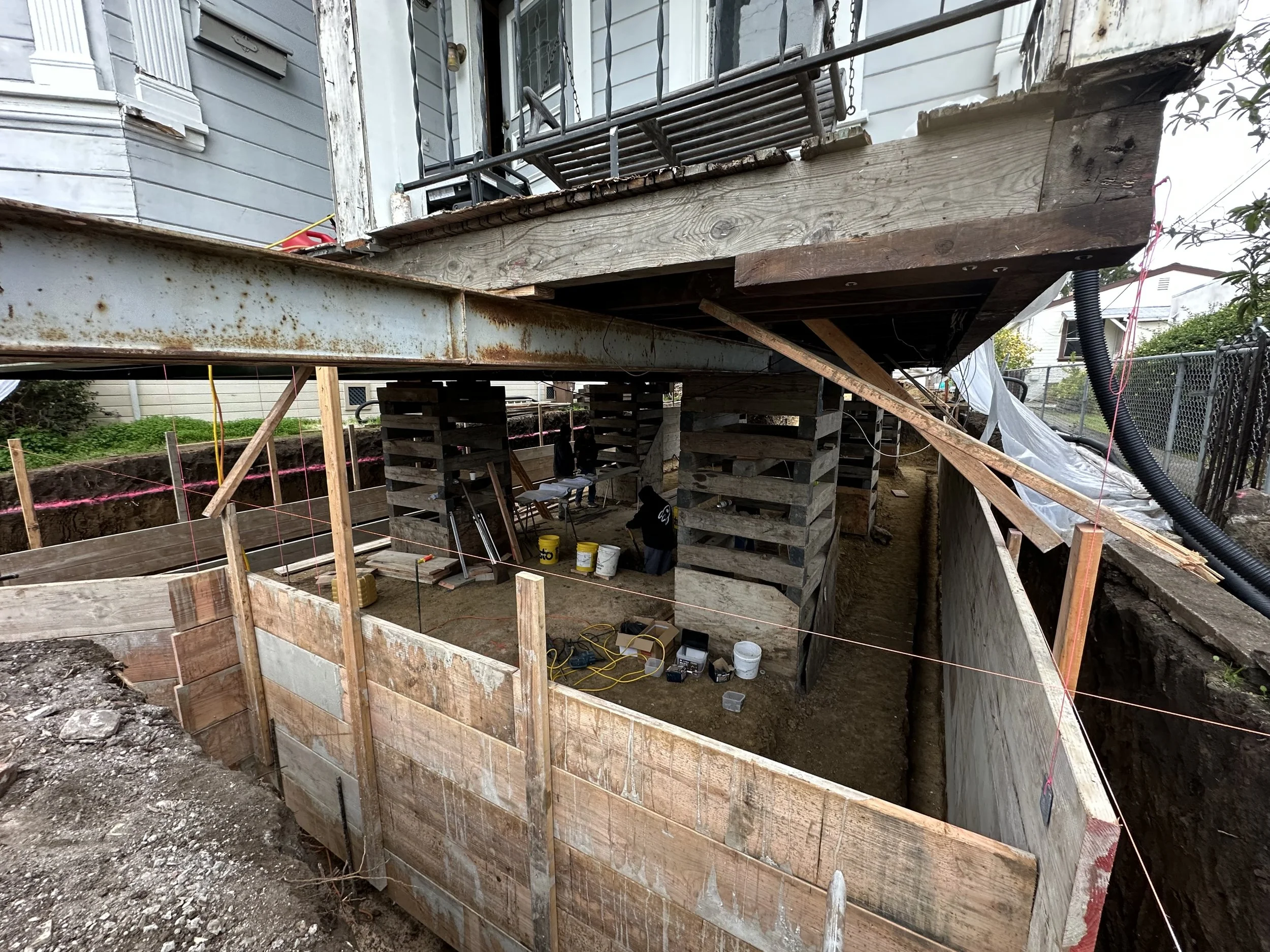
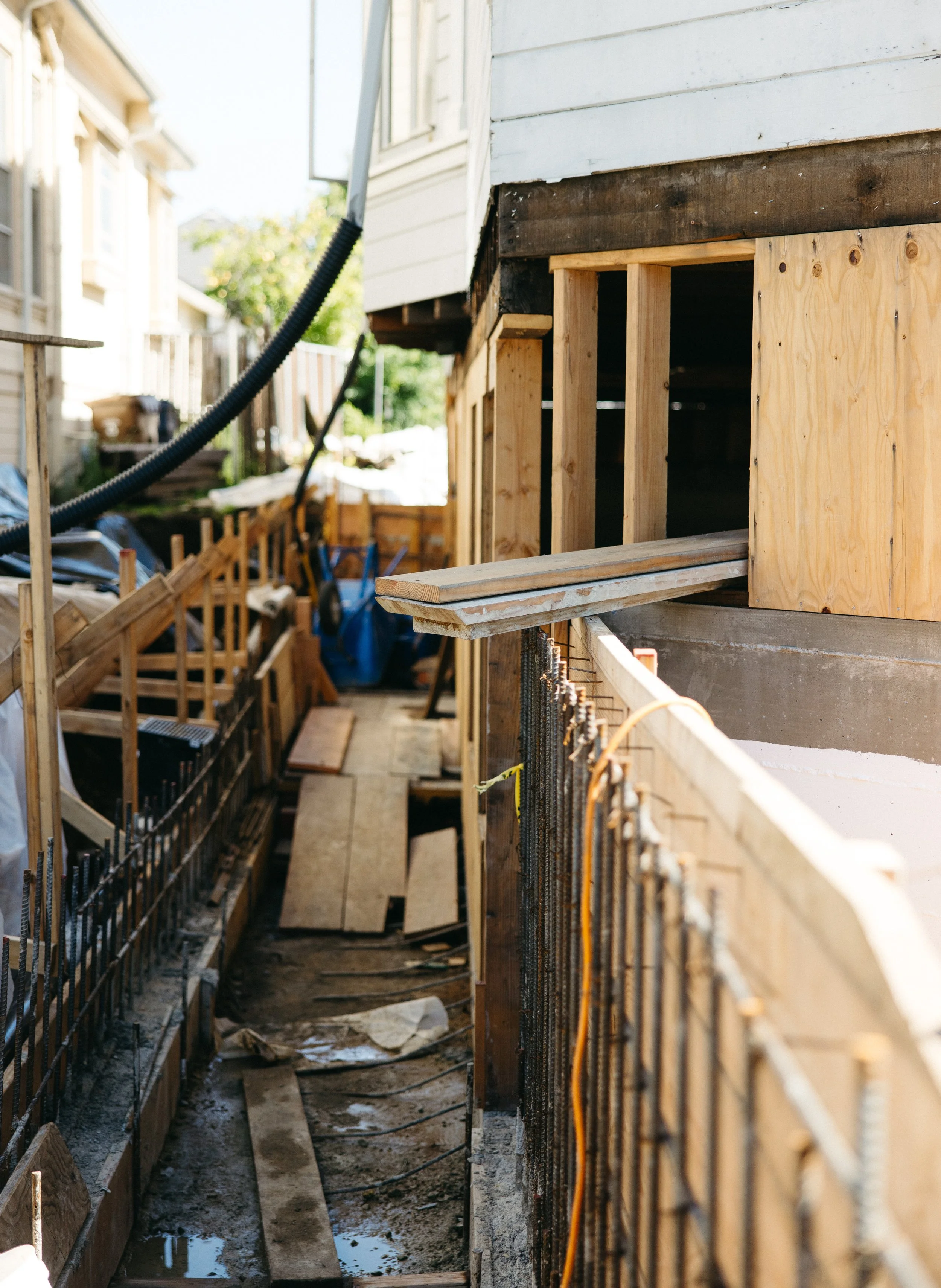
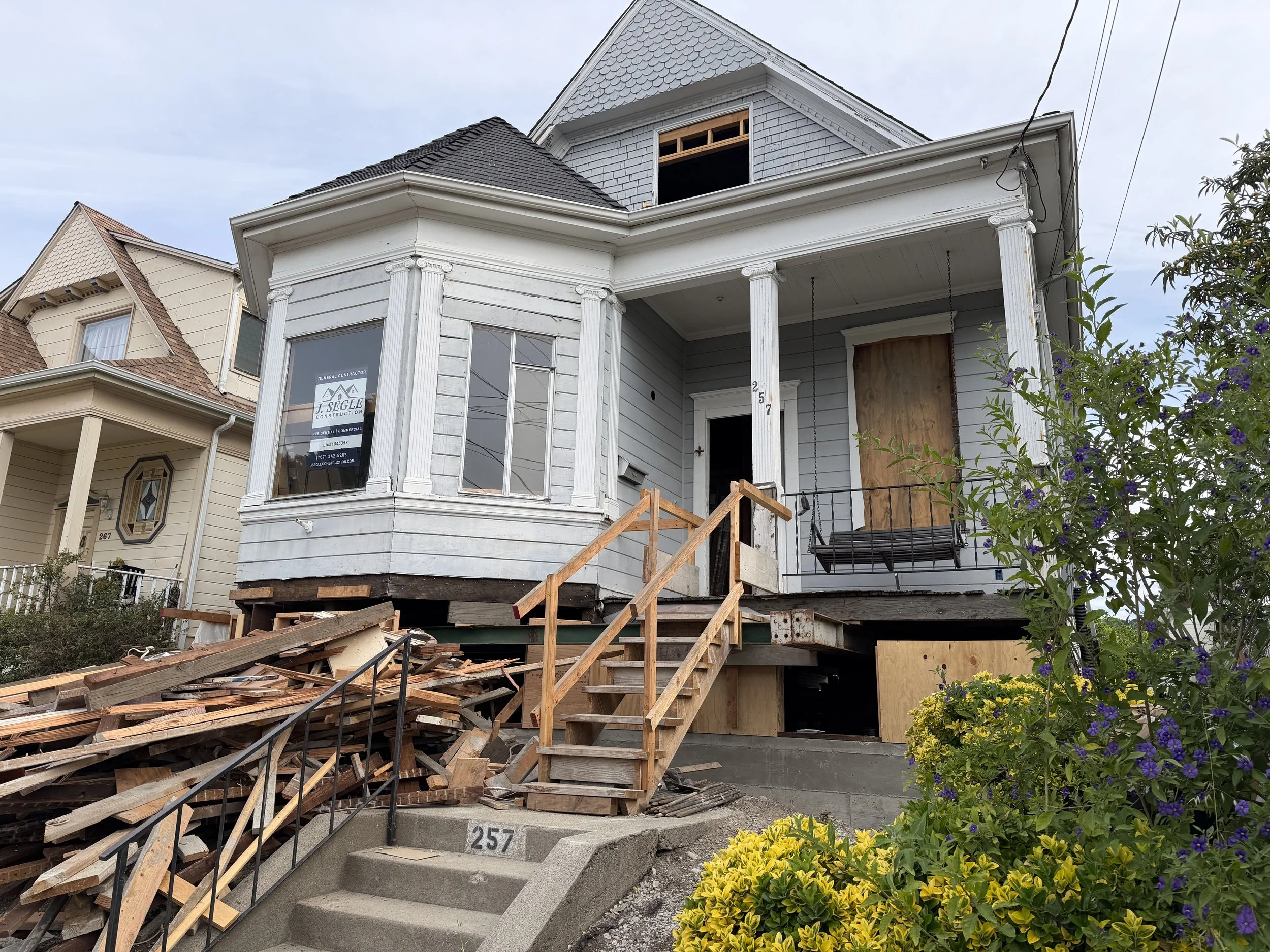
Standing in front of a house suspended several feet in the air is both surreal and humbling. For more than 135 years, the little Victorian sat remarkably close to the earth, its original framing resting directly on grade. Seeing it lifted high above the ground offered a rare glimpse beneath the home, and a striking reminder of just how much it had endured.
That endurance is a testament to the materials and craftsmanship of its time. Built largely of old-growth redwood, the cottage had weathered generations without the substantial foundation we would expect beneath a home today. The strength and durability of that original timber had protected the structure remarkably well, giving us the opportunity to preserve it while finally providing the solid foundation it had never had.
As we considered replacing the foundation, one question kept resurfacing:
If we're already lifting the house, what opportunity will we never have again?
The answer changed the entire project.
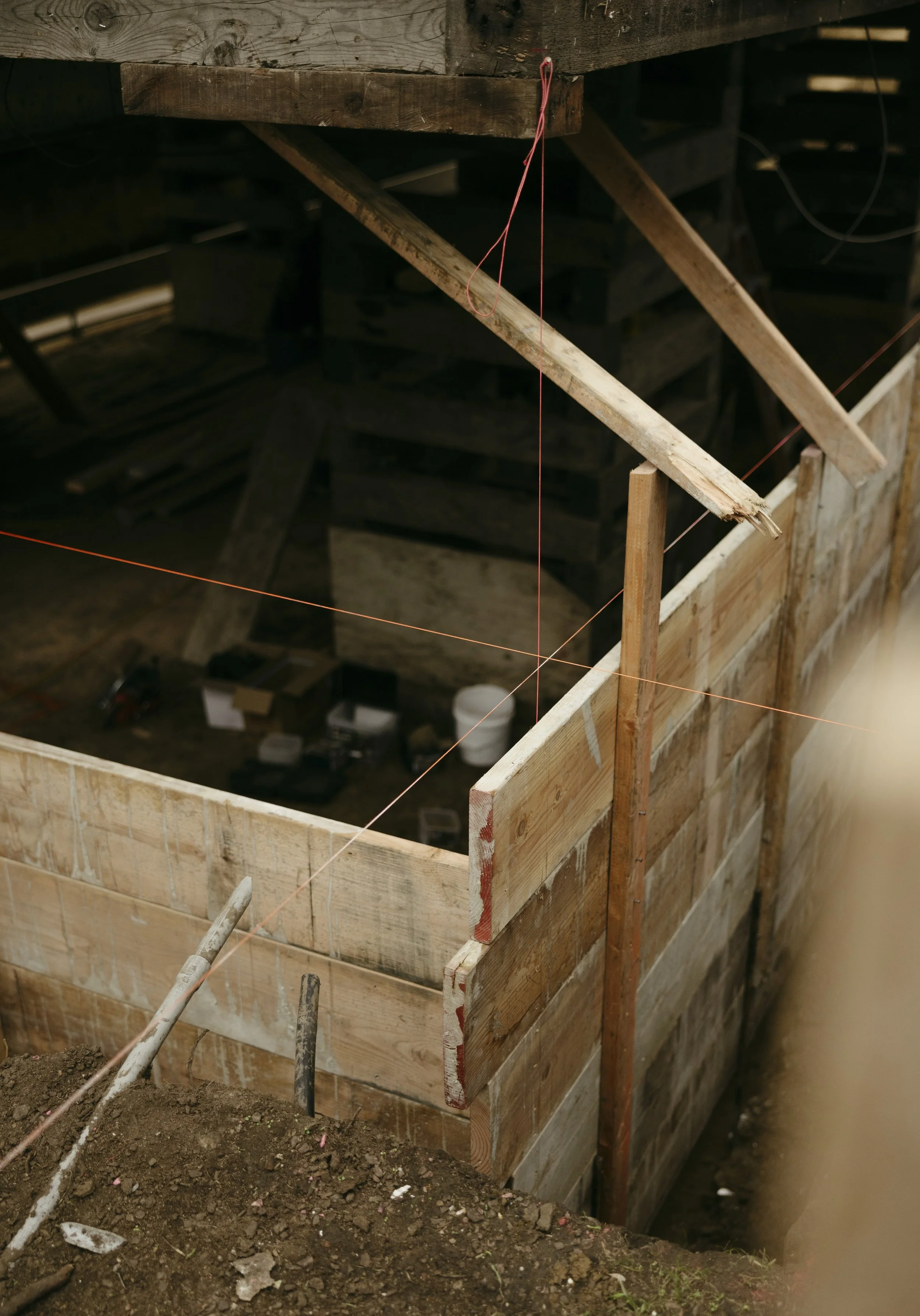
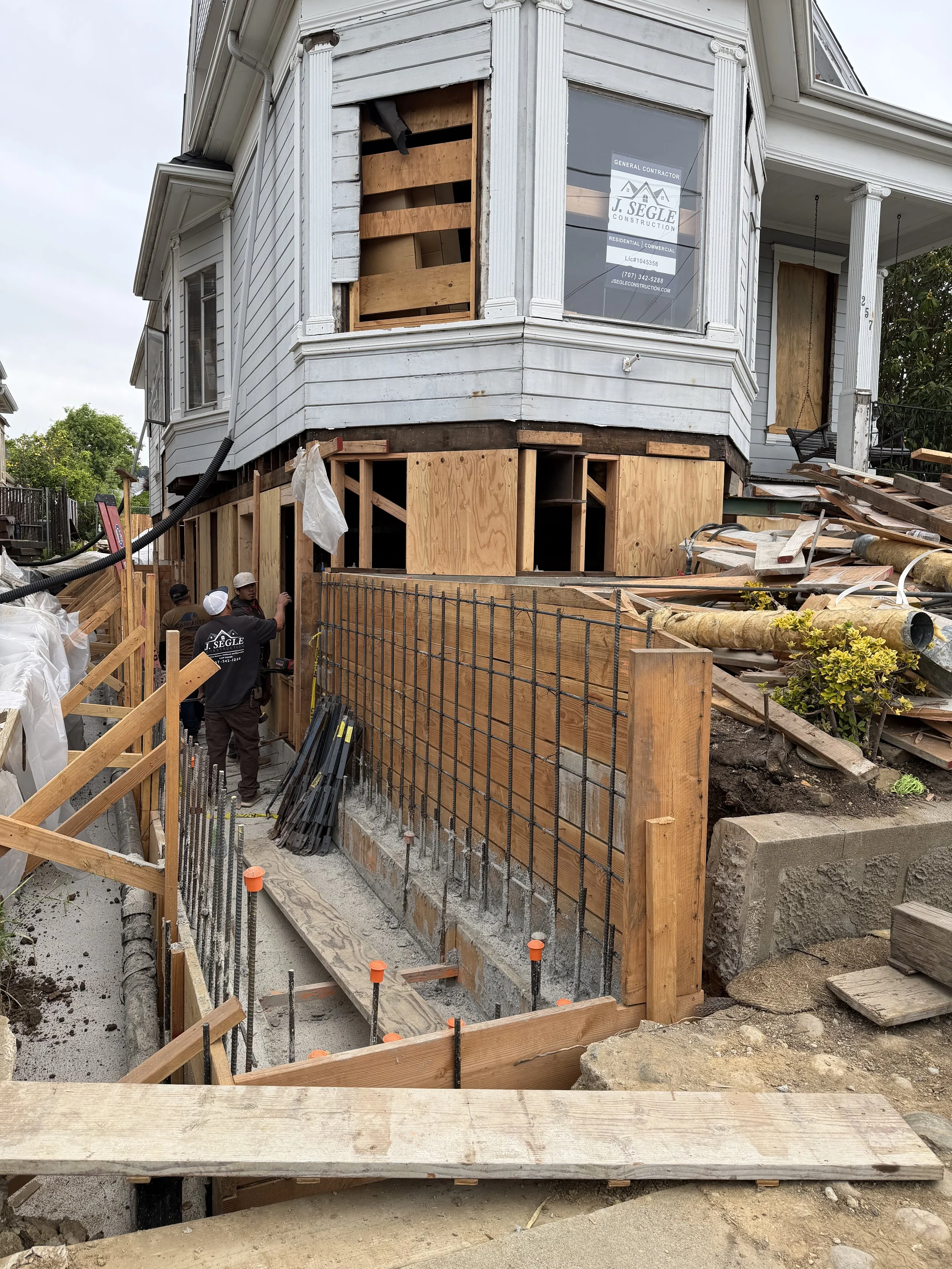
Instead of simply rebuilding beneath the existing home, we chose to create a full basement, adding nearly 1,300 square feet of living space while preserving the historic appearance of the home above.
That single decision would shape every chapter that followed.
The Challenge
Construction officially began after permits were approved in November 2025.
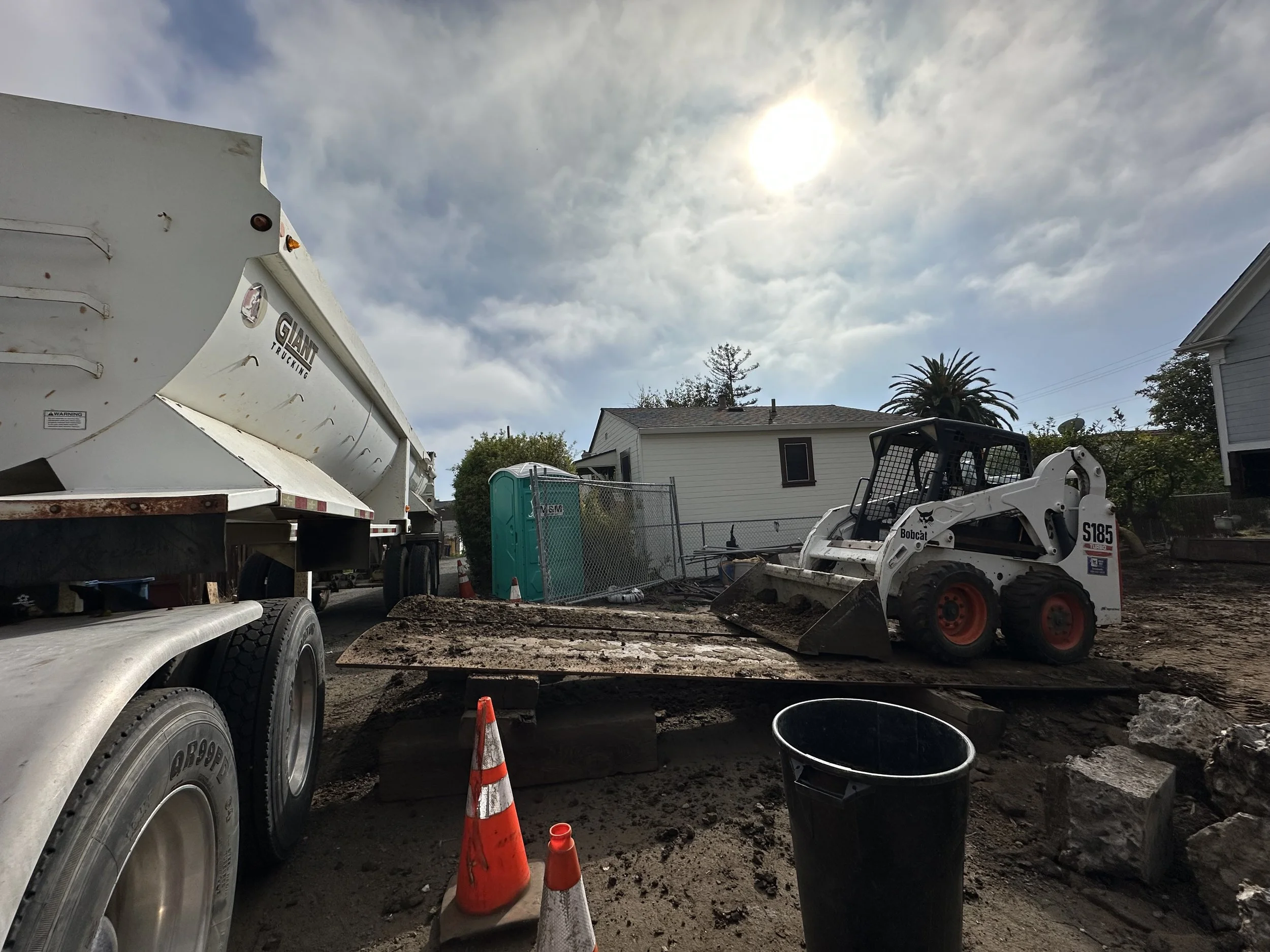
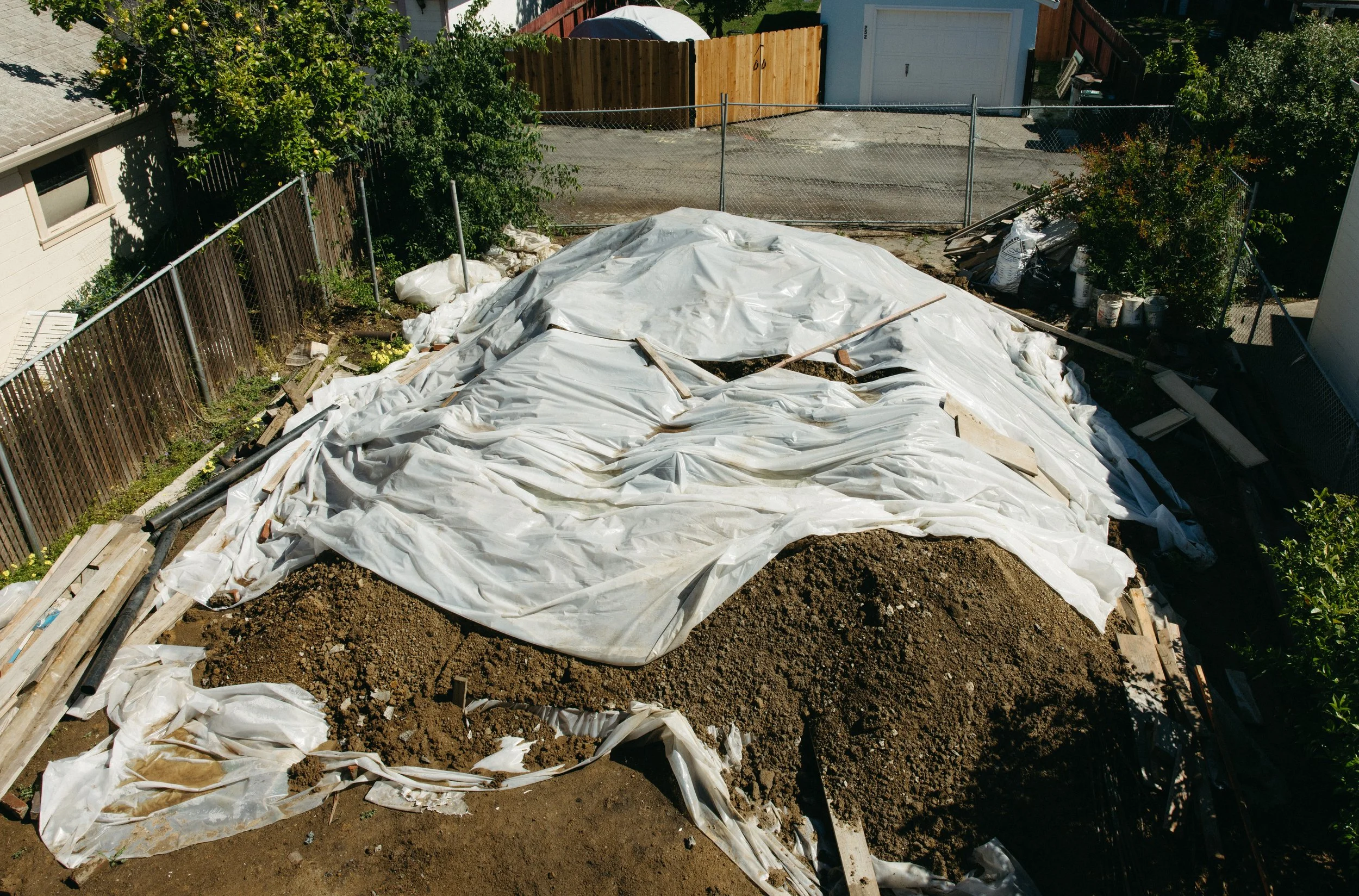
Then winter reminded us that renovation schedules rarely unfold exactly as planned. Heavy rains delayed excavation and concrete work, turning what should have been straightforward progress into months of careful patience. During that time, the neighboring sewer line collapsed, creating yet another unexpected challenge that had to be addressed before work could continue.
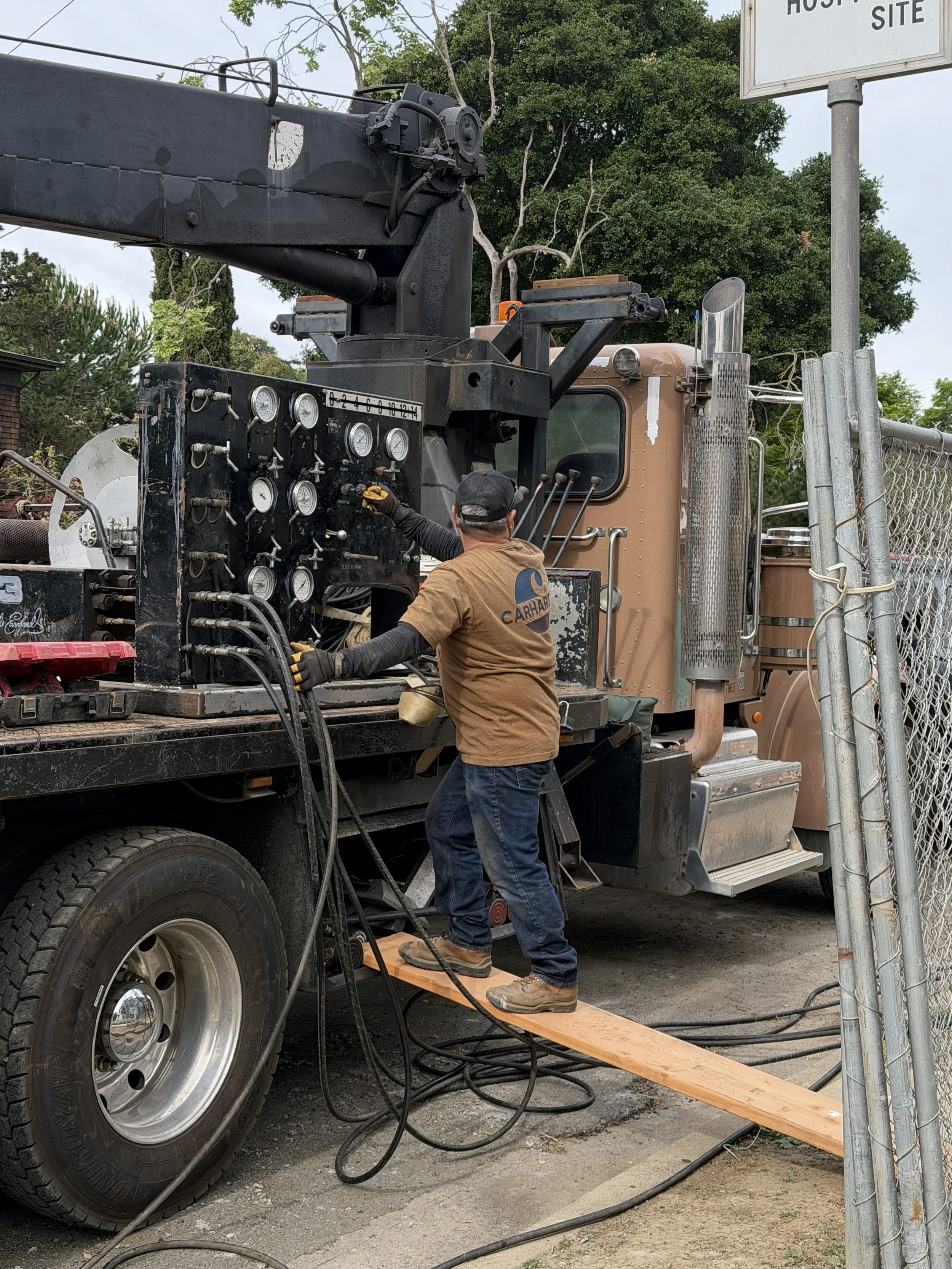
What we expected to be a relatively straightforward phase became a four-month process of excavation, foundation work, basement framing, and finally lowering the home onto its new foundation.
Watching the house suspended above the construction site day after day taught me something important: restoration isn't measured by how quickly progress happens, but by how thoughtfully it's done.
The Design Decision
Adding a basement represented one of the largest financial decisions of the renovation, but it was also one of the easiest to justify. Rather than simply replacing what had existed, we chose to invest in the future of the home. The additional living space creates flexibility for family, guests, and future possibilities while allowing the historic exterior to remain virtually unchanged. From the street, the home will still feel like the charming Folk Victorian cottage it has always been.
That balance, preserving history while improving functionality, would become the guiding principle for every design decision that followed.
The Splurge Smart Decision
Every renovation includes moments where spending more creates lasting value. This was one of those moments. The basement wasn't the least expensive option, but it was the one that transformed the home in the most meaningful way. It increased livable space, strengthened the structure, and created opportunities that simply wouldn't have existed otherwise.
Rather than investing heavily in finishes that can always be updated later, we chose to invest in the bones of the home. It's a philosophy that continues to guide every project I approach:
Splurge where it creates lasting value. Save where thoughtful alternatives can achieve the same beautiful result.
Lessons from the House
This chapter taught me that old homes have a remarkable way of changing our priorities. When we first purchased the house, I imagined choosing finishes, furnishings, and paint colors. Instead, I found myself learning about soil conditions, structural engineering, excavation, and concrete.
It wasn't the glamorous beginning I had envisioned, but it was exactly the beginning this house and I needed. Sometimes the most meaningful progress happens long before anyone notices the finished result.
✓ I'd Do This Again
If you're already lifting a home to replace the foundation, explore every opportunity that only exists while the structure is elevated. For us, adding the basement transformed the home's future in ways that simply wouldn't have been possible later.
◇ I'd Think Twice About
Construction schedules are only estimates. Weather, inspections, and unexpected discoveries all become part of the story. Build flexibility into your timeline, and your expectations.
✦ Tips for Homeowners
Before construction begins, spend time thinking about how you want to live in your home twenty years from now, not just today. Decisions made during structural work often create the greatest long-term value because they're the hardest to change later.
Closing Reflection
When visitors eventually walk through this home, they'll admire the restored windows, thoughtful architecture, and carefully designed interiors. Very few will ever think about the foundation beneath their feet. And yet, every beautiful room above exists because of the decisions made below.
That's perhaps the greatest lesson this house has taught me so far. The most important work is often the work no one ever sees.
Next Chapter
Framing the Future: Building the Structure for Another Century
With the foundation complete, the renovation moved upward. New walls reshaped how the house would function, while old ones reminded us that building within a 130-year-old structure rarely follows a straight line.